Identify Antiques by Photo
Antique Scanner reads the marks, materials and wear in your photos — and tells you what an item is, when it was made, and what it may be worth.
Upload photos of your item
Drag photos here, or use the buttons below. Up to 5 photos.
JPG / PNG / WEBP · Up to 5 photos · Your first scan is free
For a better identification, include
- · A full side profile of the item
- · The bottom or base of the item
- · Any maker's mark, hallmark or signature
- · A close-up of damage or restoration
What can you scan?
The antique scanner works on porcelain, silver, furniture, watches, pottery marks — if it's old, it can help you read it.
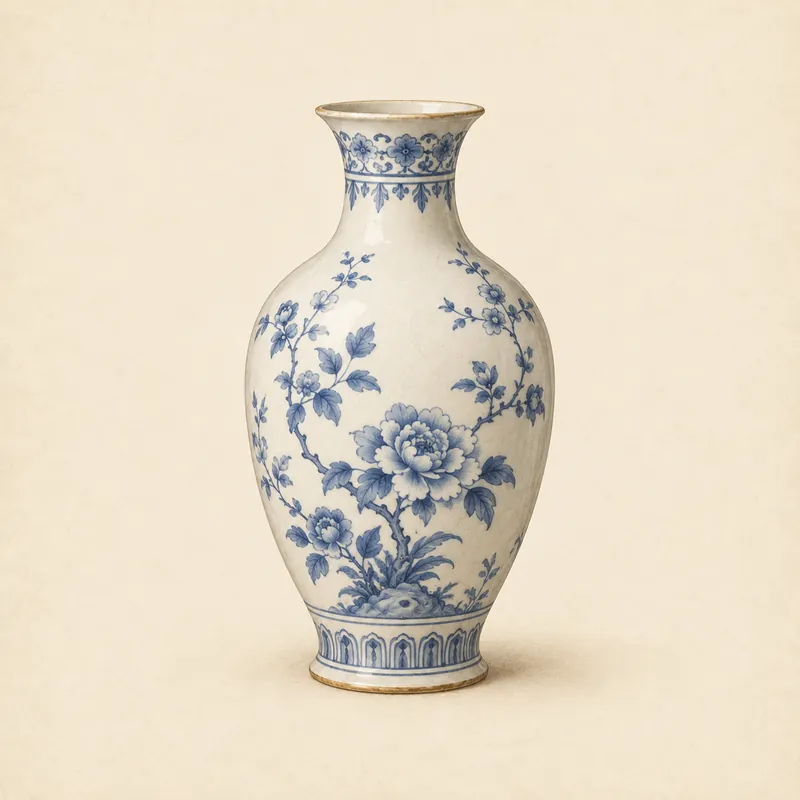
Porcelain vase
Hand-painted baluster vase, Likely early 20th century — read from the base mark and paste. Market range $120–200.
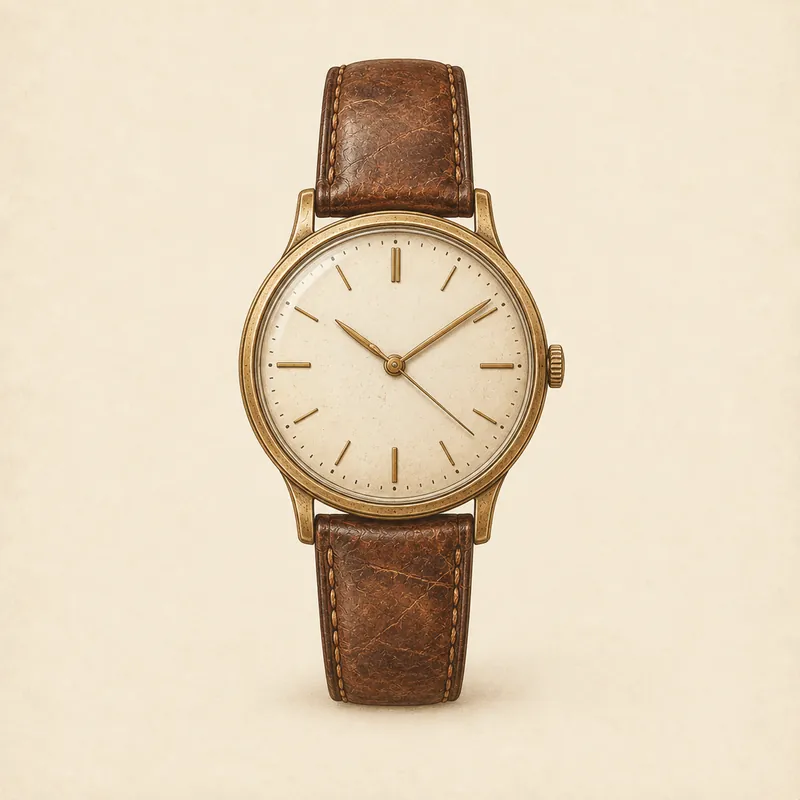
Vintage watch
Mechanical dress watch, probable 1950s movement; serial range and dial fonts agreed. Redial flags: none.
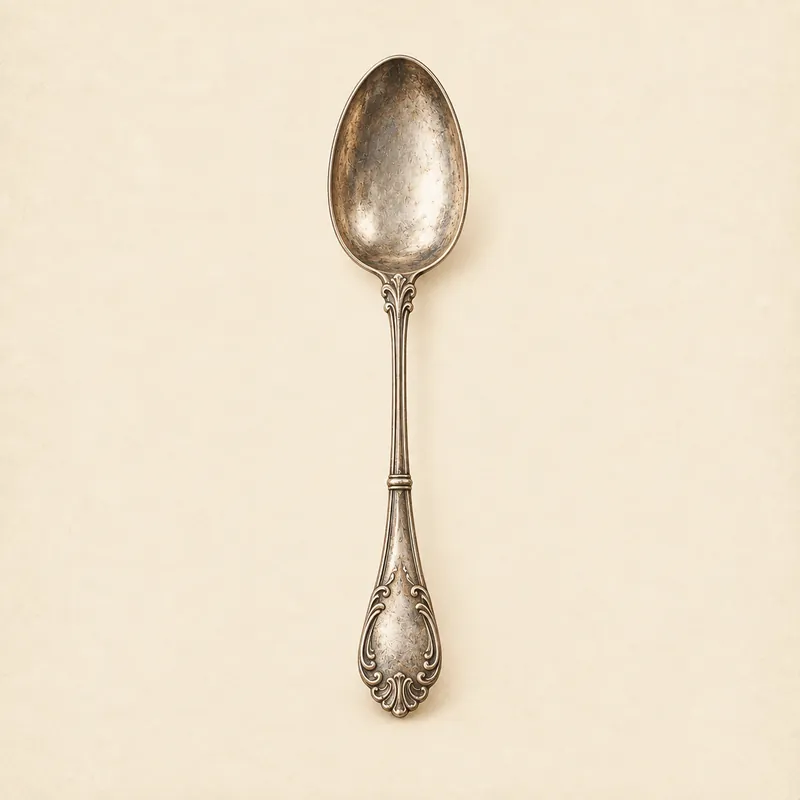
Silver spoon
Sterling pattern identified from hallmarks — standard, maker and date letter all read. Quick sale range given. Date letter confirmed the year of assay.
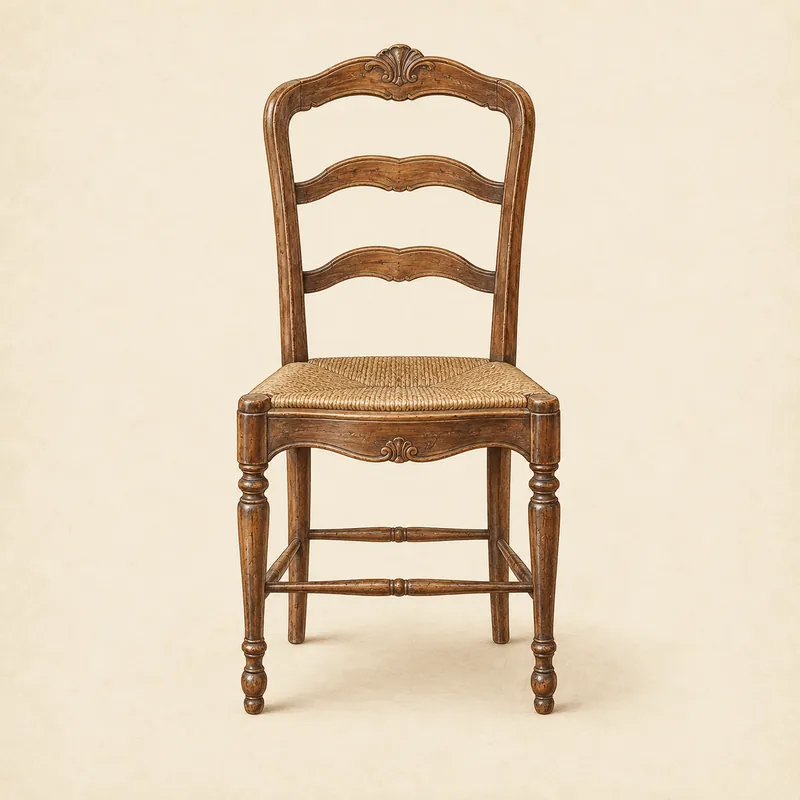
Antique chair
Ladder-back country chair with hand-cut joinery, 19th century. Condition wear priced into the estimate.
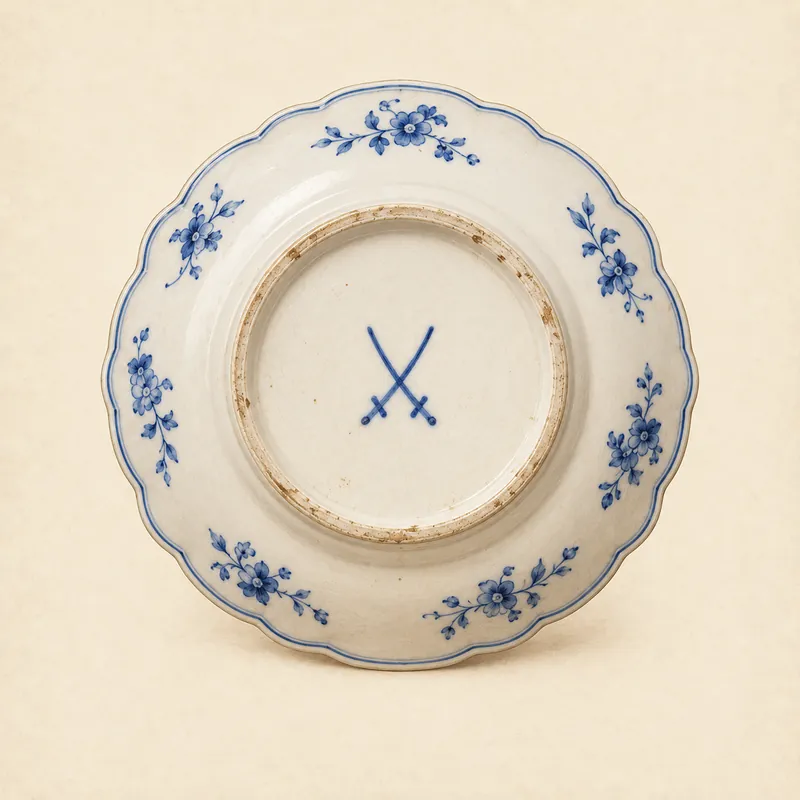
Pottery mark
Impressed maker's mark matched to a pottery — the finding climbed from Likely to Identified on the mark alone.
What every Antique Scanner report includes
Each antique scanner report is a structured document with evidence, confidence levels and honest uncertainties — not a paragraph of guesswork. Every section is written to be acted on, not admired.
Maker & mark analysis
The antique scanner reads maker's marks, hallmarks and signatures first — the details appraisers trust most.
Three-tier value estimate
Quick sale, market and dealer prices, because an antique never has one single "correct" price.
Confidence & evidence
Findings are labeled Identified, Likely, Possible or Uncertain — with the evidence and open questions shown.
Up to 5 photos per scan
Add the base, the mark and close-ups — more angles mean a sharper antique scanner identification, and the report tells you which photo would help most.
How it works
From photo to report in three steps — how the antique scanner works.
Upload 1–5 photos
Include a full profile, the base, and any marks or signatures for the best results.
AI analyzes the details
The Antique Scanner engine examines form, materials, construction, marks and wear, then estimates age and origin.
Get your value report
A structured report with identification, confidence, evidence and value ranges — saved to your history.
Who is it for
Built for anyone who has ever held an old object and wondered — the antique scanner's most common users:
Collectors
Research an unfamiliar piece with Antique Scanner before you buy, sell or insure it.
Thrifters & resellers
Check what a shelf find might be worth before you pass it up — or before you pay too much for it.
Estate & family
Understand inherited items before dividing, selling or keeping them — a typical antique scanner use case.
FAQ
Common questions about the antique scanner, values and privacy.
How is Antique Scanner different from Google Lens?
Google Lens finds images that look similar, which helps when you already know roughly what the item is. The antique scanner goes further: it reads marks, materials and construction, explains its reasoning, labels its confidence, and estimates value ranges for the item you actually photographed — including pieces that look like nothing in the search results.
How accurate is the identification?
Every antique scanner finding carries an honest confidence label — Identified, Likely, Possible or Uncertain — together with the evidence behind it and any open questions. Photos of marks and the base improve accuracy the most. Visual similarity alone is never reported as a confirmed identification. When the label stalls, the next-photos section names the exact reshoot that firms it up.
Is this a real appraisal?
No. Antique Scanner reports are AI research estimates, not certified appraisals. For insurance, estate or tax purposes — or whenever an item may be worth more than $1,000 — we recommend a professional appraiser. The report helps you decide whether that step is worth the fee. Start there, add angles, compare reports.
Can it read pottery marks and silver hallmarks?
Yes — marks are the strongest signal the antique scanner reads, and there are dedicated pages for pottery, porcelain and silver identification. Photograph the mark close-up in raking light so worn punches cast small shadows; that one photo often settles the whole identification. Photos of the base and any stamp are exactly what those pages ask for first. The mark pages carry the same raking-light photo tip for worn punches.
How many photos should I upload?
Up to five. Start with a full side profile, then add the bottom or base, any maker's mark or hallmark, and close-ups of damage or restoration. The antique scanner reads each extra angle and sharpens the identification accordingly — the base and mark shots usually matter most. Five slots are enough for nearly every item we have seen.
What does a scan cost?
Your first scan is free — new Antique Scanner accounts receive credits for one full research report. After that, a Full Antique Report is $3.98 — one-time payment, no subscription. Credits never expire, and a failed scan is refunded automatically.
What happens to my photos?
Photos are stored privately and never published. The analysis model behind the antique scanner receives short-lived, expiring links — typically 15 minutes — and you can delete your account and data at any time. Your reports stay in your private history until you remove them. Reports are written in English, whatever the item's country of origin.
Does it work for items from any country?
Yes. The antique scanner reads British hallmarks, continental factory marks, American art pottery, Asian ceramics and more — wherever the photos carry readable form, materials or marks. Reports are written in English, whatever the item's origin. Wherever the object was made, the workflow is the same: photograph, upload, read.