Antique Vase Identifier
This antique vase identifier reads form, glaze and base marks from your photos to identify the maker — and estimate the vase's value.
Upload photos of your item
Drag photos here, or use the buttons below. Up to 5 photos.
JPG / PNG / WEBP · Up to 5 photos · Your first scan is free
For a better identification, include
- · A full side profile of the item
- · The bottom or base of the item
- · Any maker's mark, hallmark or signature
- · A close-up of damage or restoration
Antique vase identifier examples
Vases attributed from base marks, form and glaze.
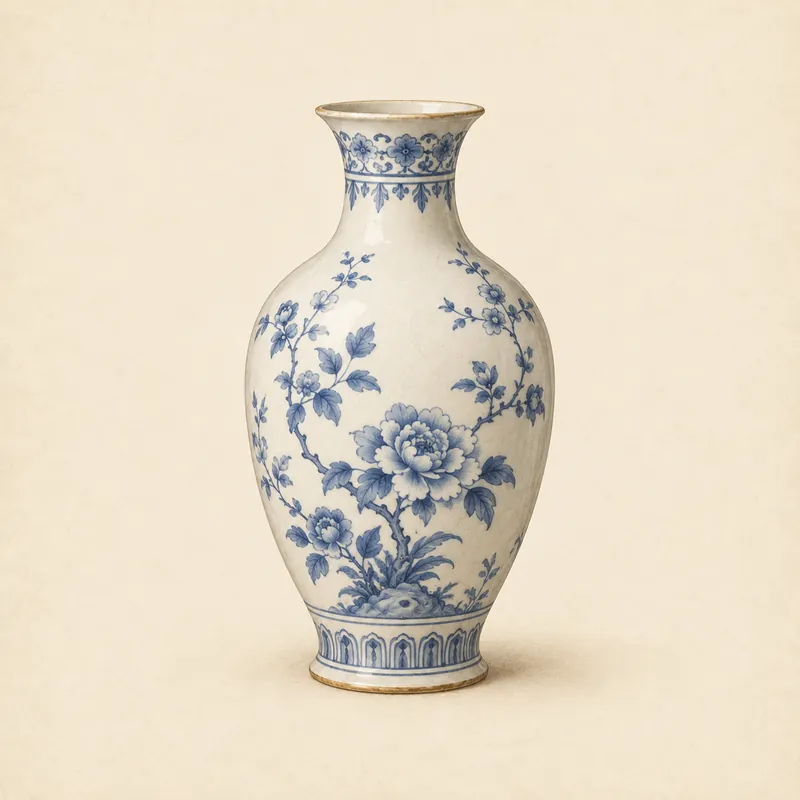
Porcelain vase
Base mark plus paste typed the piece to a porcelain tradition.
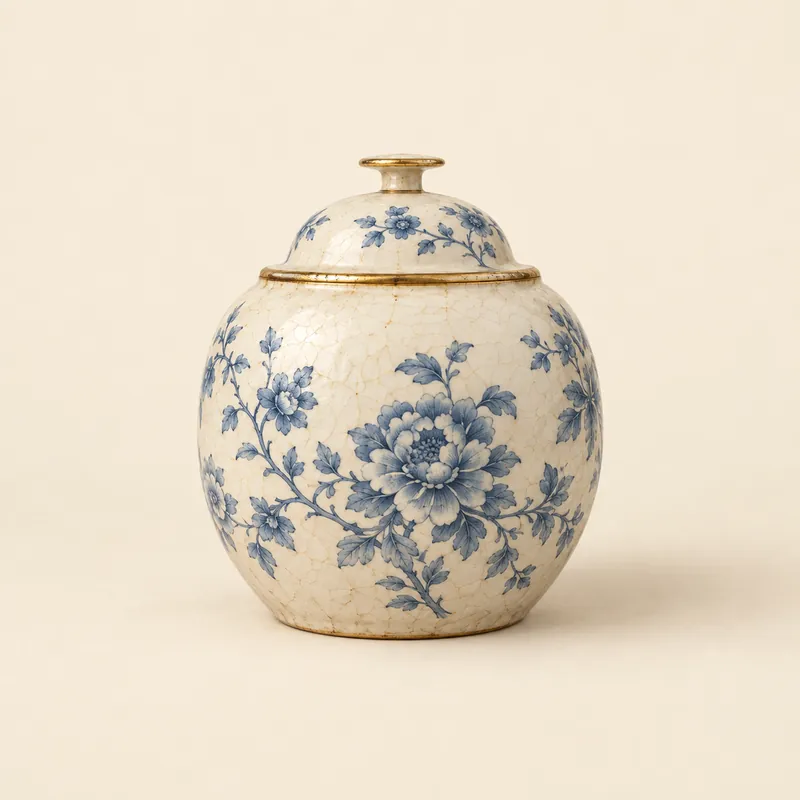
Ginger jar
Domed form and shoulder read against period catalog shapes.
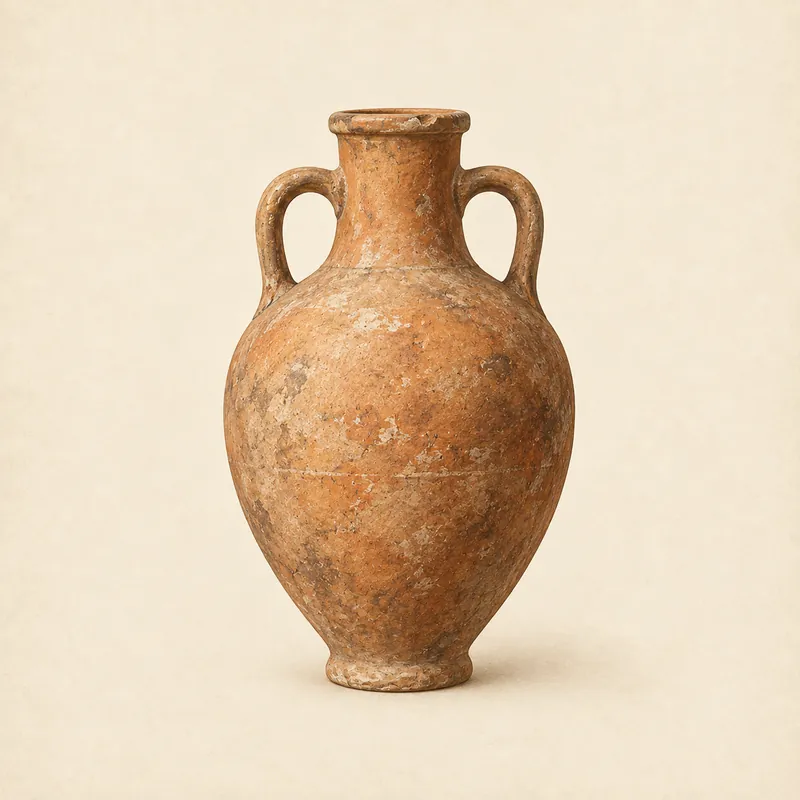
Amphora
Handles and neck profile placed the body in its classical revival.
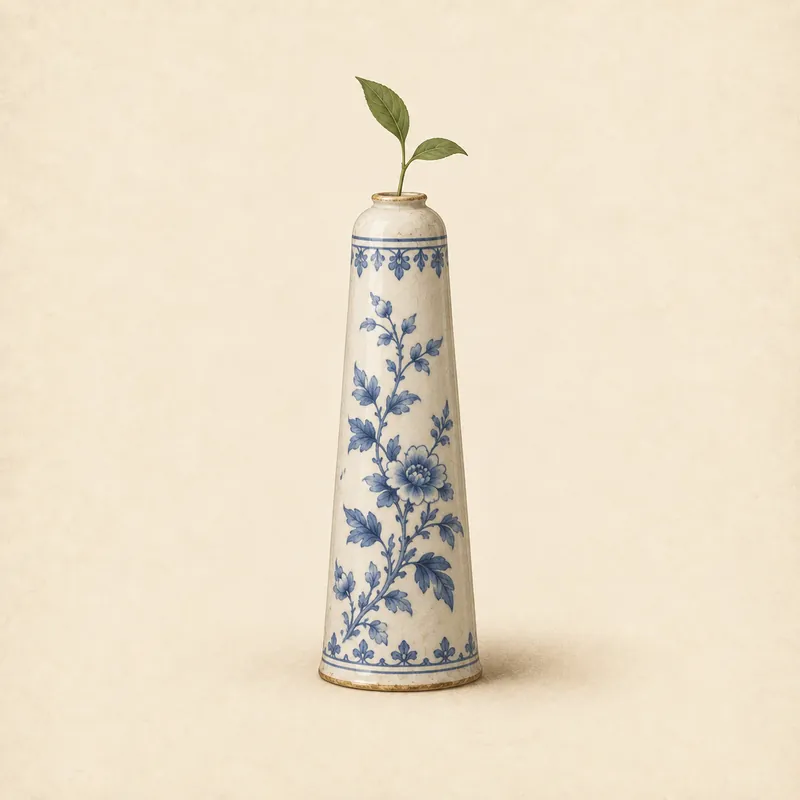
Bud vase
Narrow profile and glaze identified a studio lineage.
How to use this tool
Upload 1–5 photos
Photograph the whole item, the base, and any marks or signatures. Phone cameras are fine.
AI analyzes the details
The model examines form, materials, construction, marks and wear, then estimates age and origin.
Get your research report
A structured report with identification, confidence levels, evidence and value ranges — saved to your history.
What the antique vase identifier examines
Base evidence
Marks, artist cyphers and shape numbers on the underside can pin a vase to a catalog year and size. A readable shape number can pin the exact catalog year and size.
Form & glaze
Silhouette and glaze identify the studio tradition — the difference between a three-figure and a four-figure market. Form and glaze identify the tradition that sets the price universe.
Hand-painting quality
Artist signatures and decoration detail raise both identification confidence and value. Signatures are evidence and premium in one stroke.
Reproduction checks
Mark-against-line chronology and base wear are tested — fresh decoration over artificial aging gets flagged. The antique vase identifier tests chronology so you do not learn it the expensive way.
When to use an antique vase identifier
Art pottery finds
Read marks and shape numbers on Rookwood- and Roseville-era pieces.
Inherited mantel pieces
Put a maker and a range to the vases nobody could name.
Reproduction check
Test whether a too-perfect "art pottery" vase is period or recent.
Antique vase FAQ
Identifying vases from photographs.
What are the most collectible vase types?
American art pottery — Rookwood, Roseville, Weller — alongside Satsuma, studio pottery and European porcelain houses. Rare glazes and artist signatures often outweigh age. The antique vase identifier determines which market your piece belongs to before estimating, because the same silhouette can carry a three-figure price in one tradition and a four-figure price in another.
Which vase photos work best?
Full profile against a plain background, the base with any mark in sharp focus, and a close-up of the decoration or hand-painting. For tall vases, add a shoulder-and-neck detail. Natural light reproduces glaze color best.
How do I spot a reproduction vase?
Fresh-looking decoration, wrong mark style for the claimed line, absence of base wear and modern glaze texture are the classic signs. The antique vase identifier checks mark-against-line chronology and flags inconsistencies under uncertainties, then tells you which single photo would settle the doubt — usually a sharper image of the base mark or foot ring wear.
Do hairlines matter?
They matter more the rarer the vase — minor on common production ware, halving on rare art pottery. Photograph any crack straight-on so the antique vase identifier can weigh it honestly, and expect the report to price the flaw rather than ignore it.
What is a shape number?
Many art-pottery factories stamped form numbers on the base next to the mark; combined with the mark, a legible shape number can pin a vase to a specific catalog year and size. Photograph the base close enough to read digits — tilting the vase toward a window light usually makes shallow stamping legible to the antique vase identifier, and to you.
What does a scan cost?
Your first scan is free. After that, a Full Antique Report is $3.98 — one-time payment, no subscription.
Do hairlines always show in photos?
The fine ones can hide — raking light across the body makes them appear as thin bright lines, so shoot a slow pass around the vase under one side lamp. If the report asks about damage you can't find, that lighting trick usually finds it.
How do I measure a vase for identification?
Height first, then the widest diameter, both to the nearest centimeter — some shape numbers map to exact sizes, and dimensions help separate similar lines. Include a ruler or coin in one photo if you can; scale in frame beats memory.
What makes a vase 'art pottery'?
Studio or workshop production aimed at artistry — hand-thrown or hand-decorated, often artist-signed — rather than factory output. The antique vase identifier separates the two early because they price in entirely different markets.
How should I clean an old vase?
Warm water, mild soap, no abrasives, no dishwasher — and never submerge pieces with repairs or cold-painted decoration. When in doubt, dust only; the care section of your report matches the body and decoration it identified.
Does size affect a vase's value?
Yes, but indirectly — size maps to shape numbers in art pottery lines, and the rare sizes within a line carry premiums. Measure height and widest diameter, and include a ruler or coin in one photo for scale.