Antique Identifier
Not sure what that old item is? This antique identifier reads marks, materials and construction from your photos — and tells you what it probably is.
Upload photos of your item
Drag photos here, or use the buttons below. Up to 5 photos.
JPG / PNG / WEBP · Up to 5 photos · Your first scan is free
For a better identification, include
- · A full side profile of the item
- · The bottom or base of the item
- · Any maker's mark, hallmark or signature
- · A close-up of damage or restoration
What the antique identifier finds
Real examples of photo identifications and their confidence labels.
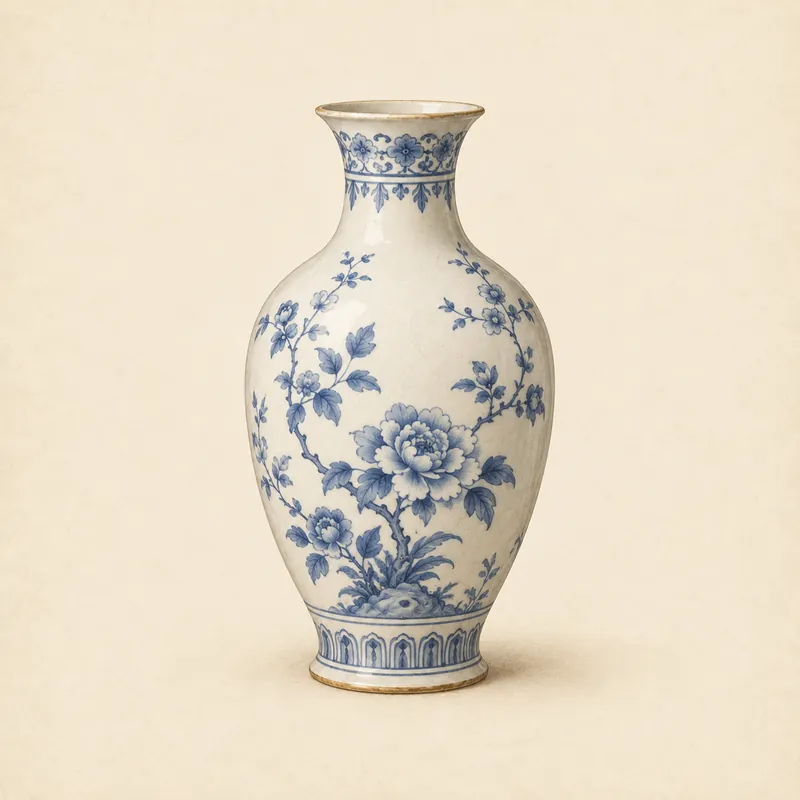
Porcelain vase
Hand-painted baluster vase — Likely early 20th century, read from the base mark. A typical antique identifier result, reached in one pass.
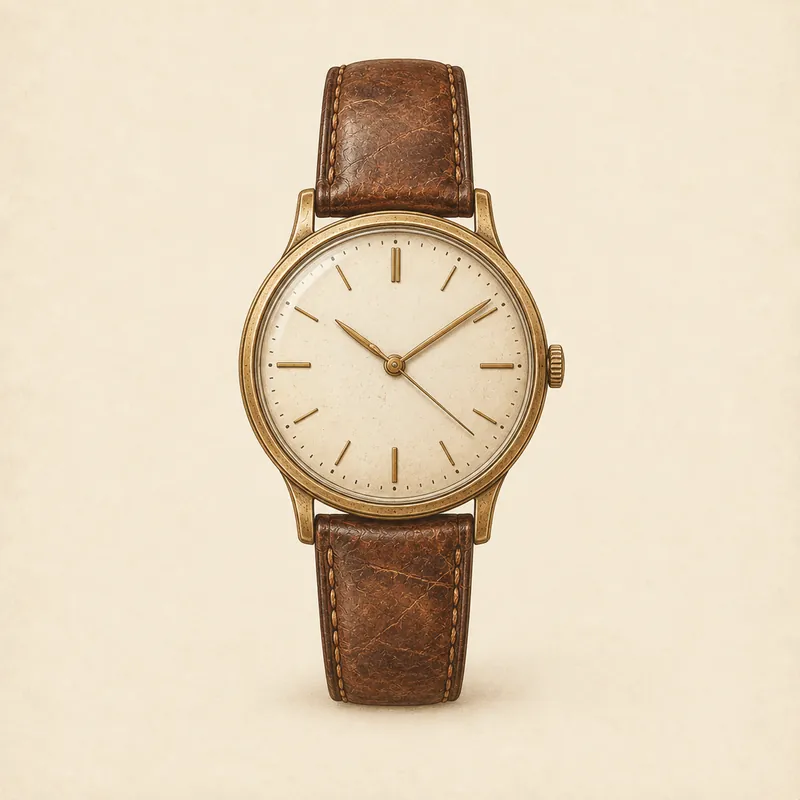
Vintage watch
Mechanical dress watch, probable 1950s movement and original dial.
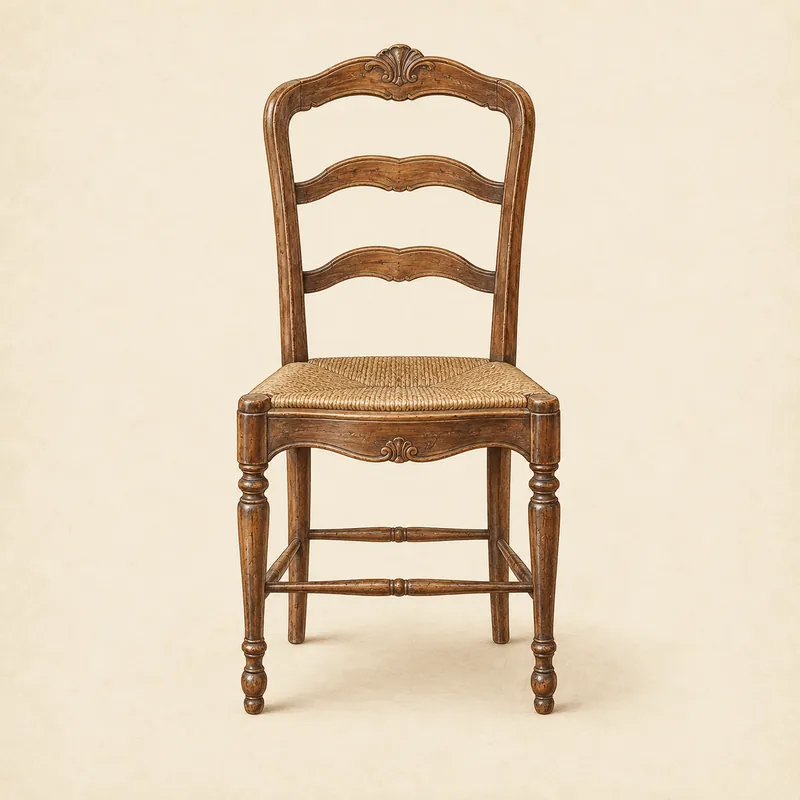
Antique chair
Ladder-back country chair, hand-cut joinery consistent with the 19th century.
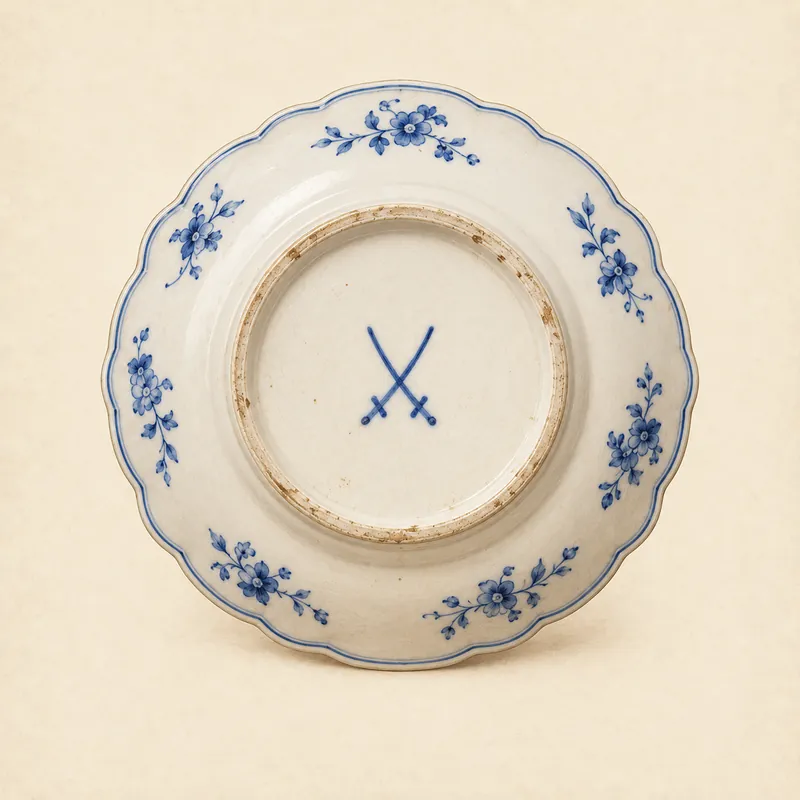
Pottery mark
Impressed maker's mark matched to a pottery, moving the piece to Identified.
How to use this tool
Upload 1–5 photos
Photograph the whole item, the base, and any marks or signatures. Phone cameras are fine.
AI analyzes the details
The model examines form, materials, construction, marks and wear, then estimates age and origin.
Get your research report
A structured report with identification, confidence levels, evidence and value ranges — saved to your history.
What the antique identifier examines
Marks & signatures
Maker's marks, hallmarks and stamps carry the most weight — a legible mark can lift a finding from Likely to genuinely Identified. Your photo of the base is often the difference between a name and a shrug.
Materials & construction
Paste, clay bodies, joinery, hardware and tool marks date the technology behind the piece, often to the decade. Construction is the hardest evidence to fake convincingly, which is why it anchors the dating.
Form, style & wear
Silhouettes, decoration and honest wear patterns follow period fashion and use, corroborating what the marks and materials suggest. Wear that matches the claimed age is quiet but powerful corroboration.
Honest confidence labels
Every finding ships as Identified, Likely, Possible or Uncertain, with the evidence listed so you can check the reasoning yourself. That label is what lets you act on the finding instead of merely admiring it. The antique identifier prices nothing it cannot support.
When to use an antique identifier
Mystery inherited items
Put a name to the pieces in a relative's attic before you divide, sell or keep them.
Before you buy
Check a dealer's or auction's attribution against what the object itself shows.
After the flea market
Identify a shelf find the same afternoon you carried it home.
Antique identifier FAQ
How photo identification works and what it can — and cannot — tell you.
What kinds of antiques can this antique identifier recognize?
Porcelain and pottery, silver, furniture, glass, watches and clocks, jewelry, paintings, books, tools and most decorative objects. Vintage and collectible items work too — anything with recognizable form, materials or marks can be analyzed. Category-specific antique identifier pages linked below give sharper prompts for each material.
How do I get the most accurate identification?
Upload up to five photos: a full side profile, the bottom or base, any maker's mark or hallmark in sharp focus, and close-ups of details or damage. Marks carry the most weight — a legible mark can move a finding from Likely to Identified. The antique identifier report tells you which photo would help most if evidence runs short.
Can the antique identifier tell if my item is a reproduction?
It flags the signs — modern construction, inconsistent wear, wrong materials for the claimed period, or a mark style that postdates the piece. The report states such concerns plainly under uncertainties rather than ignoring them, because a polite omission would be the most expensive kindness it could offer.
Is the identification guaranteed?
No identification from photos alone is guaranteed, and any tool that promises one is overselling. Every finding is labeled with its confidence and evidence so you can judge it yourself. For high-value decisions, treat the report as a research lead and confirm with a professional before committing money.
What happens to my photos?
Photos are stored privately and never published. The analysis model receives short-lived, expiring links — typically fifteen minutes — and you can delete your account and data at any time from your profile.
Does it cost anything?
Your first scan is free — new accounts receive credits for one full report. After that, a Full Antique Report is $3.98 — one-time payment, no subscription, no expiry. Every antique identifier scan prices itself honestly before you spend a cent. Every antique identifier scan runs on the evidence you can see.
How long does an identification take?
Most scans return in under two minutes once they run. Free scans sit in a short queue first; paid scans start instantly on a stronger model. Your first scan is free either way.
Do I need to know anything about antiques?
No. The photo tips above cover everything — full profile, base, marks, damage — and the report explains its terms as it goes. If a finding needs a specific extra photo, it names the exact angle to reshoot.
Does it work on paintings and framed art?
Partially. It reads signatures, labels and obvious style attributes, but attributing art to an artist needs an expert's eye and provenance. Treat painting results as orientation — a period, school and condition read — rather than attribution.
What does 'school of' mean in a report?
It means the piece was made in the manner and era of a maker or region, but without direct evidence of that maker's hand. It is an honest middle ground between a guess and a confirmed attribution, and a common finding in antique identifier reports.
Can one scan cover a set of items?
No — scan one item at a time so marks and materials do not blend together. For sets like flatware or plates, scan the best-marked piece first: the identification usually covers the pattern, and value then scales by count.