Antique Glass Identifier
This antique glass identifier reads technique, marks and color from your photos to identify the piece — and estimate what it's worth.
Upload photos of your item
Drag photos here, or use the buttons below. Up to 5 photos.
JPG / PNG / WEBP · Up to 5 photos · Your first scan is free
For a better identification, include
- · A full side profile of the item
- · The bottom or base of the item
- · Any maker's mark, hallmark or signature
- · A close-up of damage or restoration
Antique glass identifier examples
Glass typed by technique, color and marks.
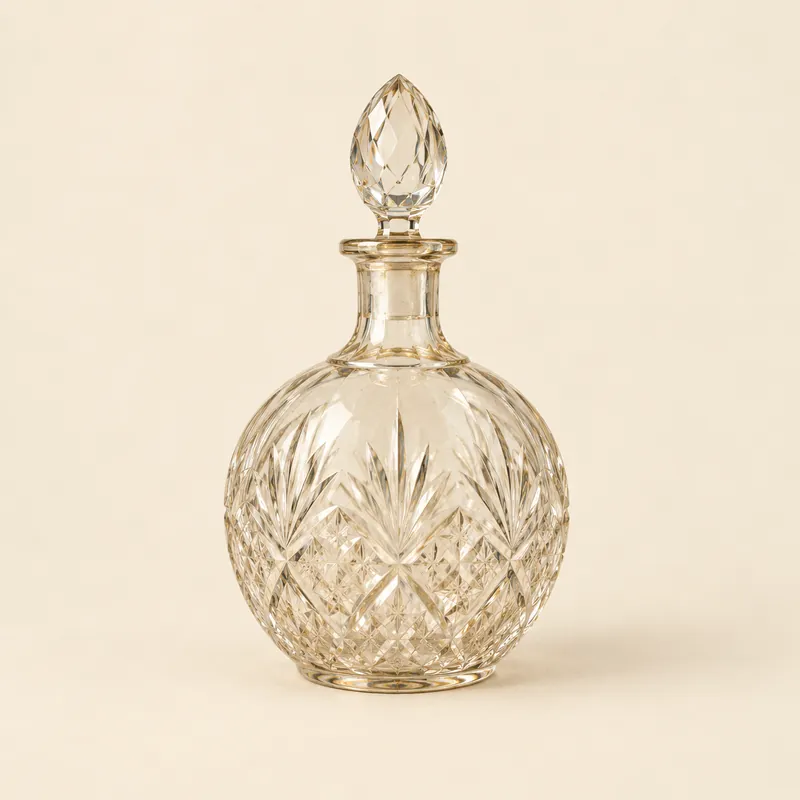
Cut decanter
Sharp facets and polish striations confirmed cut — not pressed — crystal.
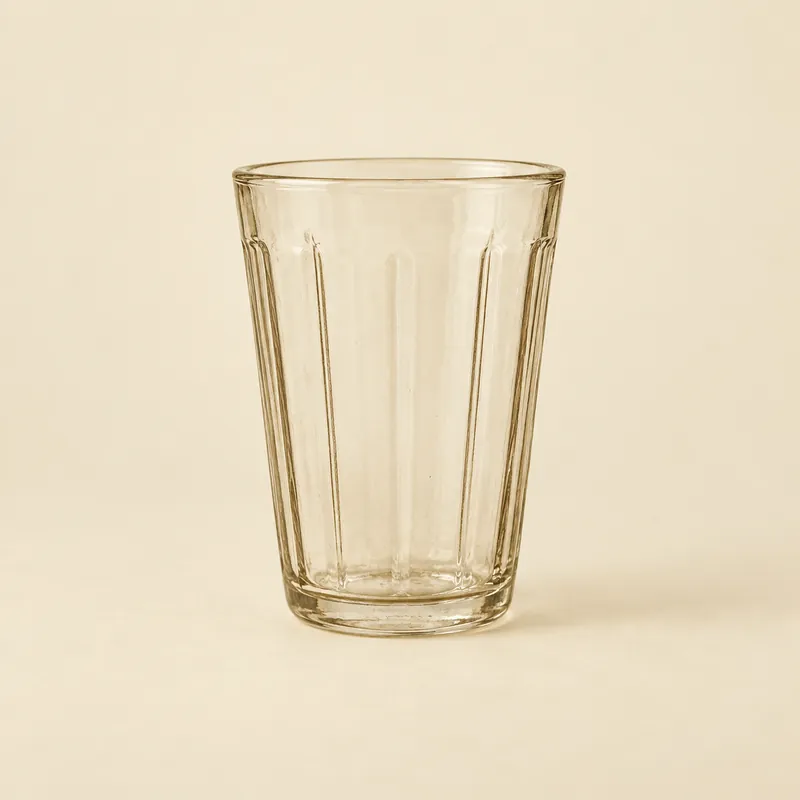
Pressed tumbler
Mold seams and straw marks identified a pattern and maker.
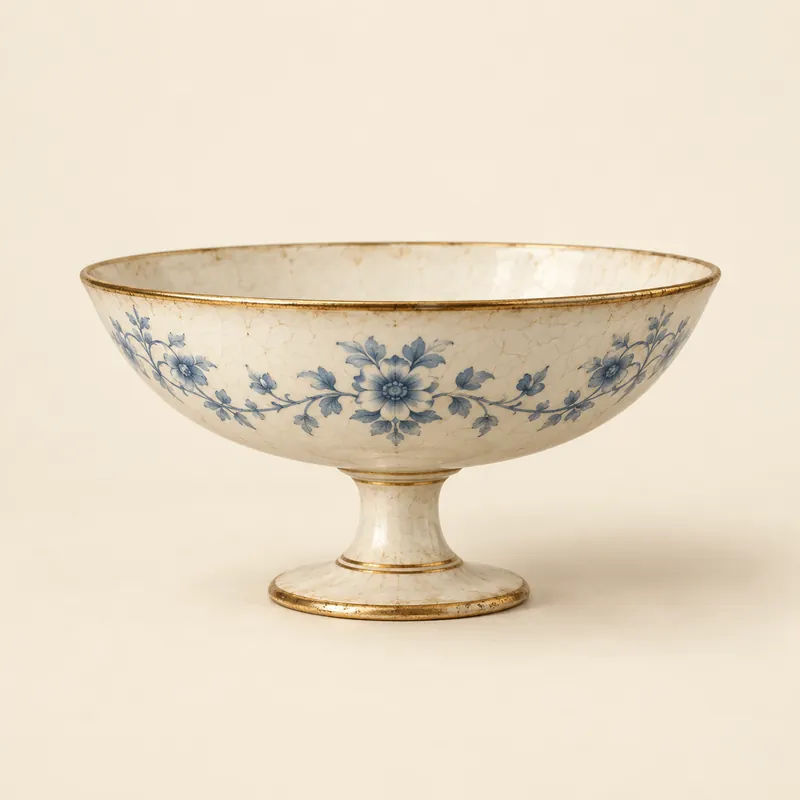
Compote bowl
Pontil scar and form pointed to a Victorian pressed pattern.
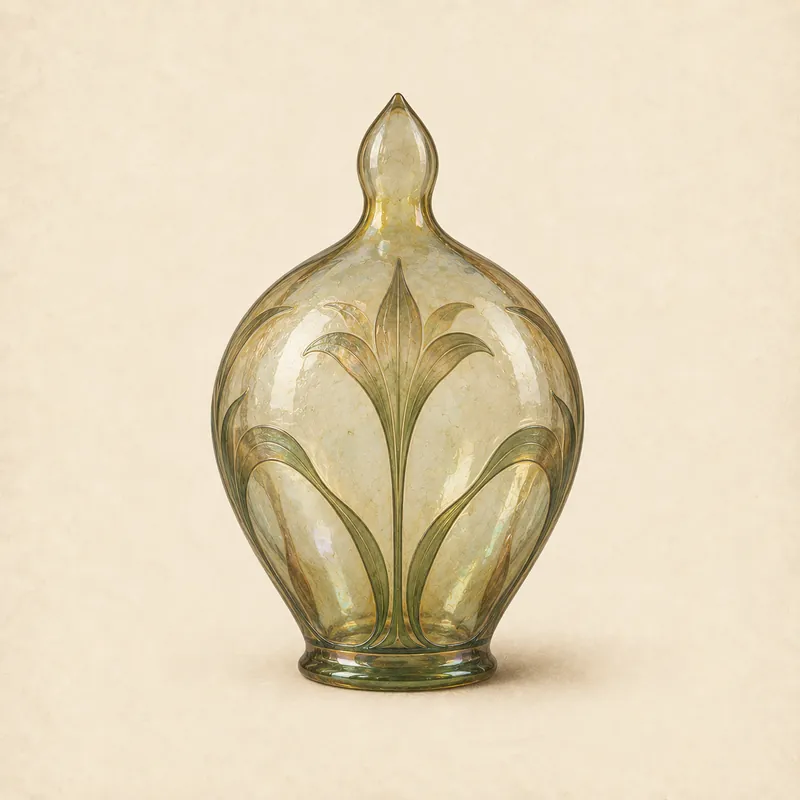
Art glass vase
Decoration and body typed the piece to an art-glass studio tradition.
How to use this tool
Upload 1–5 photos
Photograph the whole item, the base, and any marks or signatures. Phone cameras are fine.
AI analyzes the details
The model examines form, materials, construction, marks and wear, then estimates age and origin.
Get your research report
A structured report with identification, confidence levels, evidence and value ranges — saved to your history.
What the antique glass identifier examines
Technique first
Cut, pressed or blown is determined from seams, facet edges and pontil scars — technique maps to era and market. Technique names the era before any mark is found, and often the maker after.
Marks & signatures
Base marks — pressed or acid-etched — anchor attribution to the factories and studios that used them. Signed bases turn anonymous sparkle into attributable pieces.
Color judgment
Cranberry, uranium and art-glass treatments are read in natural light; color often outweighs form in value. Color judged in daylight keeps the estimate tied to reality.
Damage pricing
Chips, tooth nicks and hairlines are weighed honestly — glass punishes condition more than most categories. The antique glass identifier weighs damage because buyers will.
When to use an antique glass identifier
Cut or pressed?
Settle the question that decides whether the bowl is satin or serious.
Inherited glassware
Identify and bracket the cabinet before selling or insuring it.
Estate-sale shelves
Read bases and seams from the aisle before the price is set.
Antique glass FAQ
Identifying old and vintage glassware from photos.
How do I tell cut glass from pressed glass?
Cut glass has sharp-edged facets that catch light, feels heavier, and shows fine polish striations; pressed glass has mold seams, softer pattern edges and tiny straw marks. Side-lit photos make the difference visible to the antique glass identifier.
Where do glass marks hide?
On the base — pressed into the glass for many American makers, or acid-etched for studio houses like Steuben and Loetz-era European factories. Photograph the base dead-flat and straight-on with raking light. If the seller's photos already show the seams clearly, you can often identify the piece from the listing alone before you ever pick it up.
Does color affect glass value?
Strongly. Colored glass — cranberry, uranium, and certain art-glass treatments — often outweighs clear glass of the same form. Photograph in natural light, and add a UV-lit photo if uranium glass is suspected: it glows bright green.
How much does damage matter in glass?
More than in almost any other category — chips on cut-glass teeth or rim flaws can halve value, and hairlines worse. Photograph any damage straight-on so the antique glass identifier can weigh it into the range honestly.
What is uranium glass, and how do I spot it?
Glass made with uranium dioxide, usually green or yellow, produced mainly from the 1840s to the 1940s. It fluoresces bright green under a UV flashlight — a photo of that glow is conclusive and worth including when you suspect it.
What does a scan cost?
Your first scan is free. After that, a Full Antique Report is $3.98 — one-time payment, no subscription.
How do I photograph glass without glare?
One light source, placed to the side rather than behind the camera, kills most glare; a dark cloth or shirt behind the glass helps the camera expose for the object. Skip on-camera flash entirely — it flattens exactly the sparkle you want the report to see.
Is cut crystal valuable?
Sometimes. American Brilliant Period cut glass can bring serious money, while much later cut-crystal tableware is modest. The antique glass identifier dates the cutting style, reads any signatures, and brackets the value in the right era before any number is quoted.
What is carnival glass?
Pressed glass with an iridized metallic coating, mass-produced as giveaway premiums in the 1900s–1920s and collected by pattern today. Common marigold pieces stay affordable; rare patterns and colors bring serious collector money.
Why does my glass glow under UV light?
Uranium dioxide in the formula — common from the 1840s to the 1940s — fluoresces bright green under UV. It is a dating and identification signal the antique glass identifier uses, and one photo of the glow settles the question instantly.
Is milk glass valuable?
Generally modest — it was mass-produced opaque white ware across a century of dinner tables. Exceptions exist in early Bohemian pieces and certain figural forms; the identifier dates the piece so the range reflects reality rather than rumor. A dated piece with a named pattern prices very differently from anonymous glass.