Antique Furniture Identifier
This antique furniture identifier reads joinery, wood, hardware and style from your photos to date the piece and estimate its value.
Upload photos of your item
Drag photos here, or use the buttons below. Up to 5 photos.
JPG / PNG / WEBP · Up to 5 photos · Your first scan is free
For a better identification, include
- · A full side profile of the item
- · The bottom or base of the item
- · Any maker's mark, hallmark or signature
- · A close-up of damage or restoration
Antique furniture identifier examples
Case goods identified from construction, wood and style.
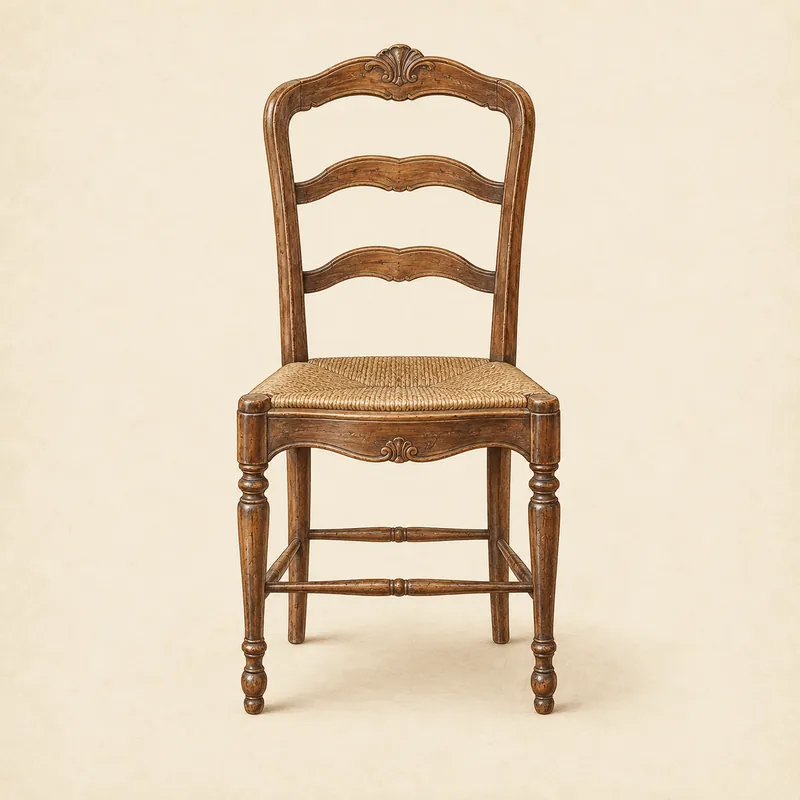
Antique chair
Ladder-back form with hand-cut joinery — 19th-century country work.
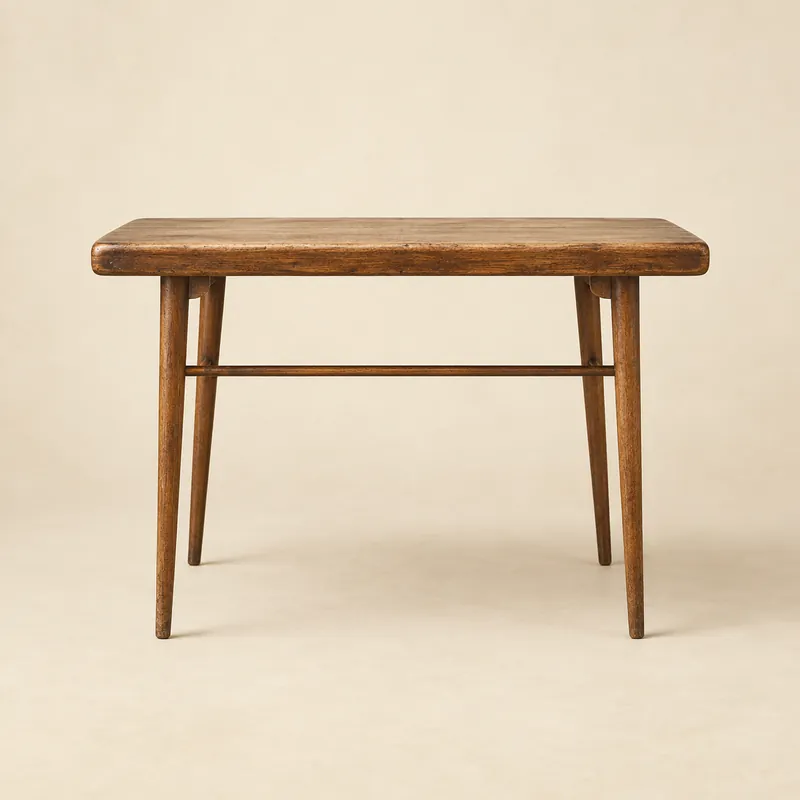
Dining table
Machine-cut dovetails and circular-sawn boards dated the piece after 1880.
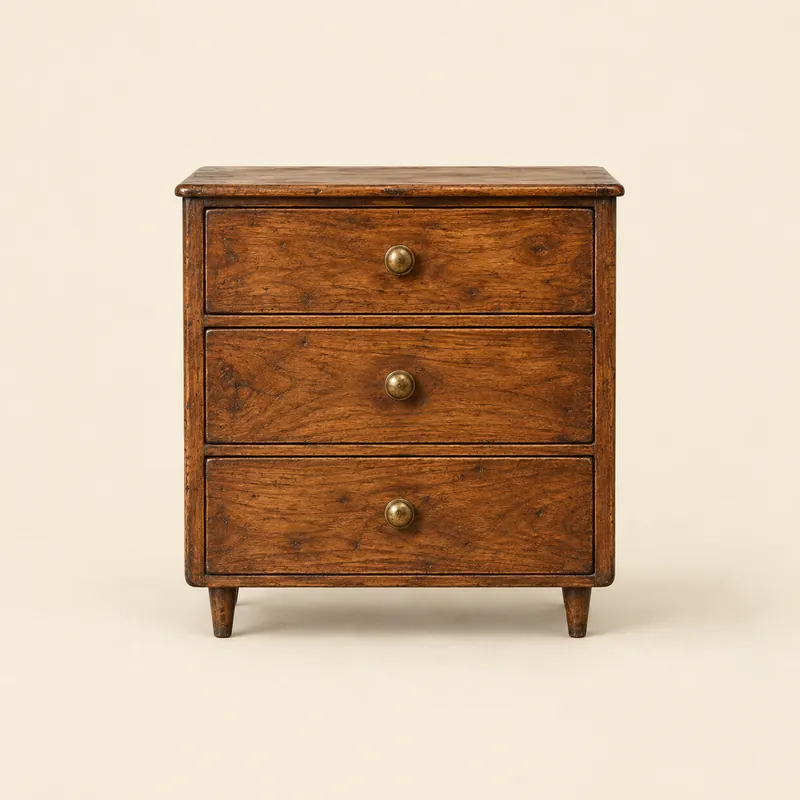
Chest of drawers
Secondary woods and hardware pointed to a regional school and decade.
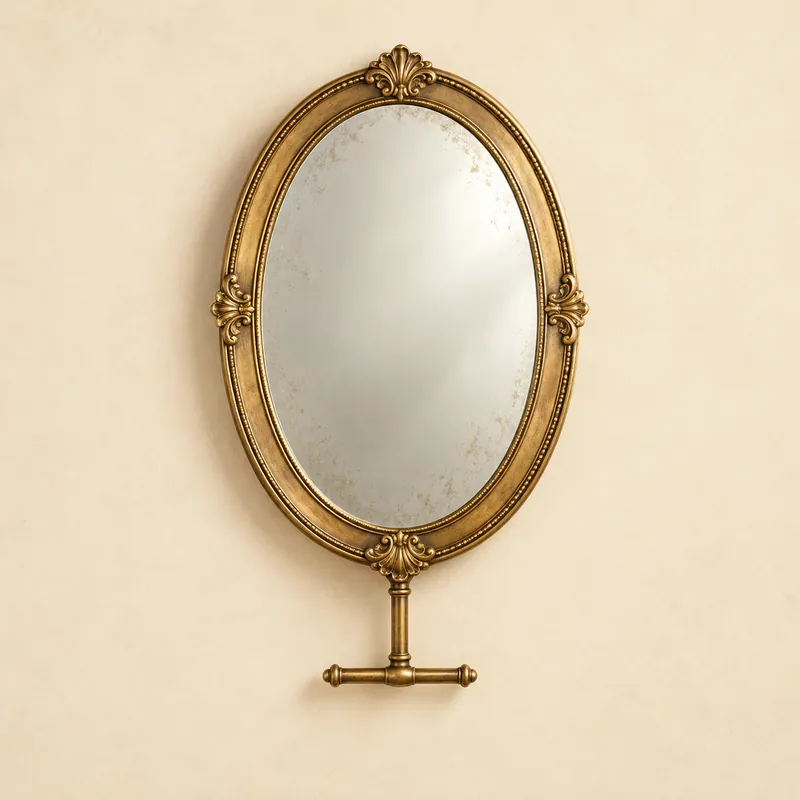
Wall mirror
Frame profile and back boards separated period from revival.
How to use this tool
Upload 1–5 photos
Photograph the whole item, the base, and any marks or signatures. Phone cameras are fine.
AI analyzes the details
The model examines form, materials, construction, marks and wear, then estimates age and origin.
Get your research report
A structured report with identification, confidence levels, evidence and value ranges — saved to your history.
What the antique furniture identifier examines
Joinery & construction
Dovetails, drawer bottoms and tool marks separate hand-cut period work from machine production — often the whole century question. One drawer-interior photo often settles more than an hour of exterior inspection.
Wood & materials
Primary and secondary woods, veneer seams and hardware finishes point to the region, school and era of manufacture. Woods and hardware place the workshop even when the maker stayed anonymous.
Style & form
Silhouettes and ornament place the piece in its style family and separate period work from later revivals. Style families carry their own markets, so naming one is half the valuation.
Maker evidence
Labels, stamps and patented mechanisms anchor attribution; without them you get an honest school or region instead. The antique furniture identifier attributes only what the evidence can carry.
When to use an antique furniture identifier
Inherited case goods
Learn what the dining set actually is before dividing or selling it.
Estate and barn sales
Check age and value from the aisle before the tag is negotiated.
Revival or original?
Settle whether "old" means 1870 or 1970 before money changes hands.
Antique furniture FAQ
Identifying and dating old furniture from photos.
How can I tell if furniture is really antique?
Hand-cut dovetails, irregular surfaces, oxidized wood, hand-planed backs and period-appropriate hardware all point to age; perfect symmetry, plywood and modern fasteners point to machine production. The antique furniture identifier walks through which signals your photos show and what they imply.
Which photos matter most for furniture?
The whole piece front and side, a drawer pulled out showing joints and underside, the back panel, the feet and underside, and any label or stamp. Five photos covering these angles will dramatically sharpen the dating — the drawer interior alone often settles the century.
Does refinishing hurt the value?
Often yes, for true antiques — original finish and patina are part of the provenance. Signs include uniform overall color, lost tool marks and sanded-feeling surfaces. The condition section of the report flags refinishing signals where it sees them.
Can the antique furniture identifier name the maker?
When a label, stamp or signature survives — or a distinctive patented mechanism is visible — yes. Otherwise construction style can suggest a school or region, and the report lists possible attributions with honest uncertainty instead of a confident name.
What's the difference between period and revival furniture?
Period pieces were made during the style's original era; revivals are later recreations of that look. Both can be valuable, but differently priced. The antique furniture identifier separates the two explicitly so you know which market your piece plays in.
How much does a scan cost?
Your first scan is free. After that, a Full Antique Report is $3.98 — one-time payment, no subscription.
How do I photograph a large piece of furniture?
Step back until the whole item fits in frame in daylight, then move in for the detail shots: drawer interior, back panel, feet and any stamp. Open curtains and turn on room lights — large pieces photographed in dim hallways lose the joinery detail the dating depends on.
Is 'solid wood' the same as antique?
No — solid wood describes construction, not age, and plenty of modern furniture is solid wood while some genuine antiques use veneer. The antique furniture identifier dates the tooling and joinery instead, which is why the drawer interior matters more than the lumber.
What is 'brown furniture'?
Trade shorthand for traditional dark-wood Victorian and Edwardian case pieces, out of fashion for a decade and priced accordingly. The antique furniture identifier still values them honestly — out of fashion is not worthless, and quality pieces are recovering.
How do I spot veneer versus solid wood?
Repeating grain patterns and thin edge banding mark veneer; solid wood shows grain wrapping edges with matching end-grain. Both can be antique — veneering is centuries old — so the identifier reads the construction era, not the technique alone.
Do old nails date a piece?
Roughly: hand-forged roseheads predate about 1800, machine-cut square nails run to around 1900, wire nails come after. One nail never settles it, but nail type alongside joinery gives the antique furniture identifier a strong century signal.