Antique Jewelry Identifier
This antique jewelry identifier reads hallmarks, stone cuts and construction from your photos to identify the era — and estimate value.
Upload photos of your item
Drag photos here, or use the buttons below. Up to 5 photos.
JPG / PNG / WEBP · Up to 5 photos · Your first scan is free
For a better identification, include
- · A full side profile of the item
- · The bottom or base of the item
- · Any maker's mark, hallmark or signature
- · A close-up of damage or restoration
Antique jewelry identifier examples
Era and materials read from marks and construction.
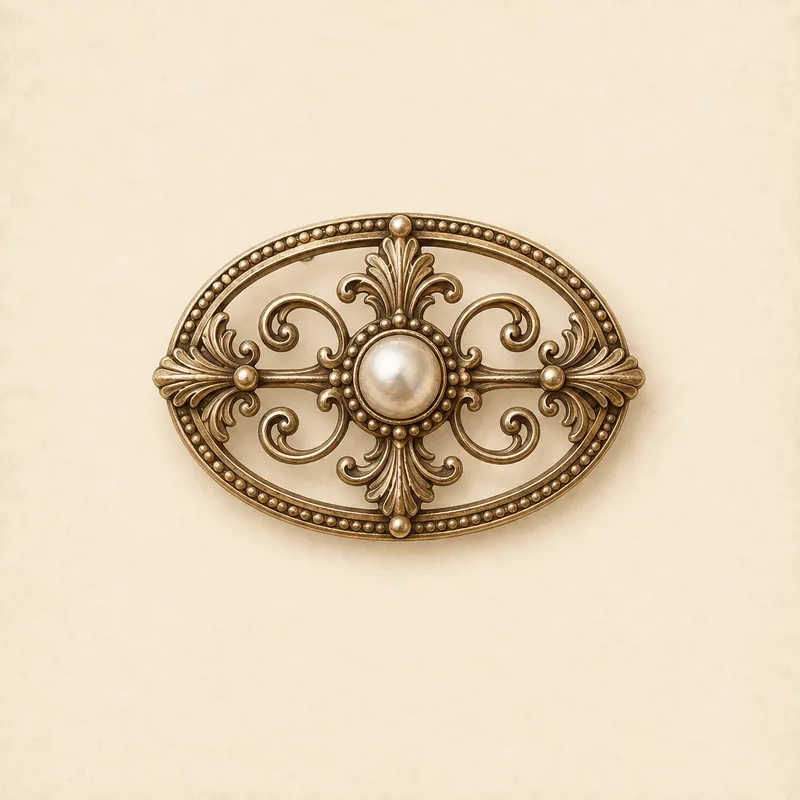
Victorian brooch
Tube hinge and pin construction dated the brooch within a decade.
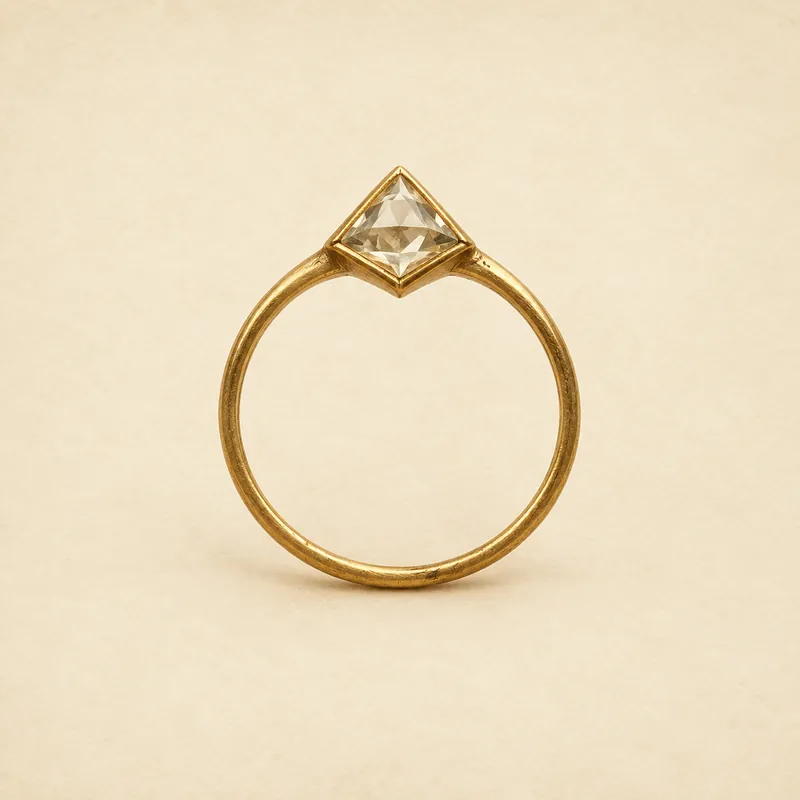
Gemstone ring
Stone cut and setting technique placed the ring in its era.
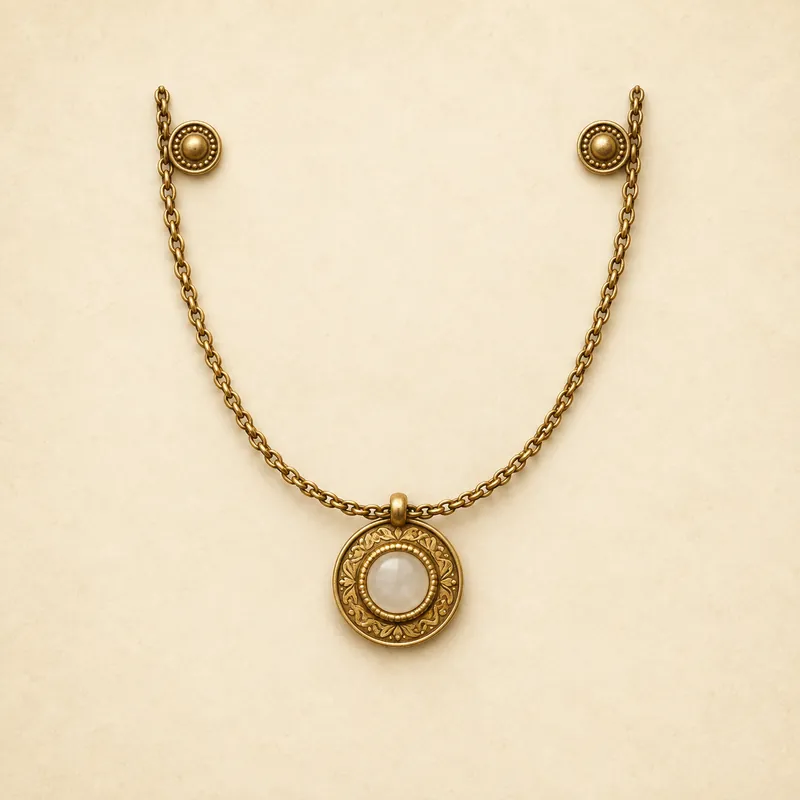
Pendant necklace
Clasp mechanism and chain style anchored the dating.
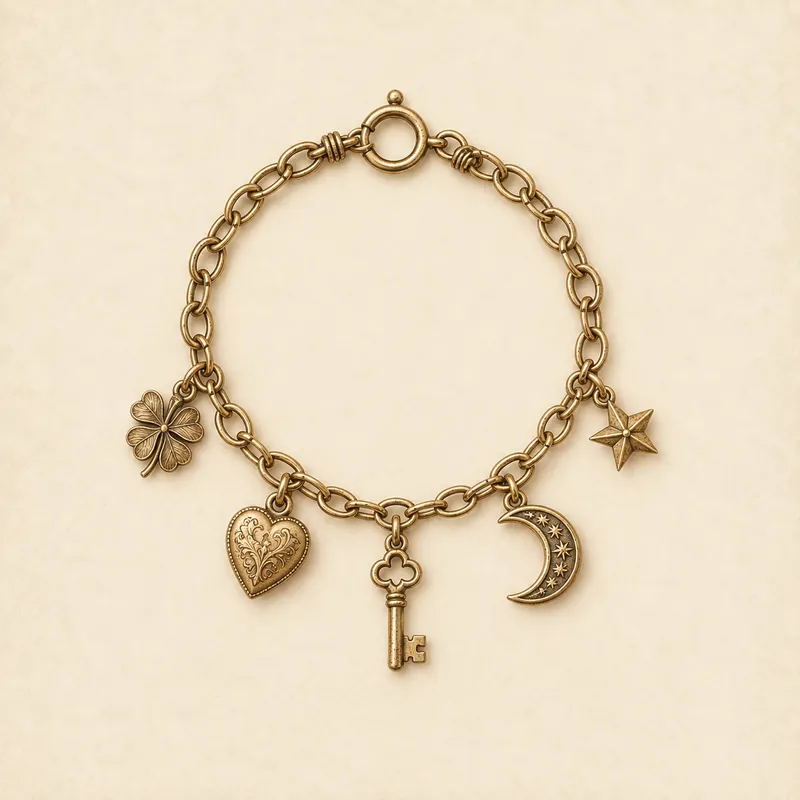
Charm bracelet
Marks and charm construction separated period from revival.
How to use this tool
Upload 1–5 photos
Photograph the whole item, the base, and any marks or signatures. Phone cameras are fine.
AI analyzes the details
The model examines form, materials, construction, marks and wear, then estimates age and origin.
Get your research report
A structured report with identification, confidence levels, evidence and value ranges — saved to your history.
What the antique jewelry identifier reads
Marks & hallmarks
Metal standards and maker's stamps — inside shanks, on clasps and reverses — anchor the geography and era. Marks inside shanks and on clasps anchor the search before styling begins.
Stone-cut dating
Rose cuts, old-mine cuts and modern brilliants are datable technology that place the piece in their decade. The stone's cut is a timestamp cut into the piece itself.
Construction clues
Foil backs, tube hinges and millegrain settings each track period workshop practice. Construction is the workshop's fingerprint, readable at macro-photo scale.
Honest testing limits
Photos cannot acid-test metal or confirm stones — the report says when a jeweler's testing is worth the fee. The antique jewelry identifier says where testing pays for itself, and where it does not.
When to use an antique jewelry identifier
Inherited jewelry boxes
Sort decades of unmarked pieces into era and value brackets.
Estate and auction lots
Preview a tray's photos before bidding or accepting a lot price.
Before resale
Know the era and likely materials before you list or accept an offer.
Antique jewelry FAQ
Identifying old jewelry from photos.
Where are jewelry marks usually found?
Inside band shanks on rings, on clasps and pin stems for brooches, on the reverse of pendants and on earring backs. Photograph them with strong side light and maximum close-up — the antique jewelry identifier needs the detail to read them.
Can gemstones be identified from photos?
Cut, color and setting style can be read; the mineral itself cannot be confirmed without testing. The antique jewelry identifier describes what the photos show, flags likely materials, and recommends professional testing when value depends on it.
What makes jewelry "antique" versus "vintage"?
Trade usage calls pieces over about 100 years old antique, and 20th-century pieces vintage. Eras matter more than the word — an Art Deco bracelet and a 1970s bracelet are different markets — so the antique jewelry identifier estimates the specific era.
Is estate jewelry valuable?
Sometimes: precious metal content is a floor, but maker, era, stones and condition drive most of the value. A photo report from the antique jewelry identifier brackets where your piece sits before you accept any offer — whether from a dealer, a pawnshop or a marketplace listing.
How do I date a piece with no marks?
By construction: stone cuts, clasp and hinge mechanisms, setting techniques and design vocabulary each track period technology and fashion. The antique jewelry identifier dates unmarked pieces this way and states which signals carried the estimate, so you can judge the dating yourself.
What does a scan cost?
Your first scan is free. After that, a Full Antique Report is $3.98 — one-time payment, no subscription.
Can you tell paste from diamonds?
Photos can suggest it — paste stones often show mold seams, duller sparkle and period-typical settings — but only in-person testing confirms a stone. The antique jewelry identifier flags its read honestly and tells you when the jeweler's loupe is worth the trip.
How should I store antique jewelry?
Separate soft stones from metals, keep pieces in individual pouches or a lined box, and hang necklaces to prevent kinking. The care section of your report matches the construction it identified — Georgian foiled stones, for instance, should never see water.
What is paste?
Lead-glass imitation gemstones, cut and set like the real thing — often beautifully, and genuinely antique in their own right. The antique jewelry identifier flags likely paste from cut and setting cues, with honest limits about testing.
Why does my ring have no marks?
Early pieces, much American work and whole eras marked lightly or not at all. Construction dates it instead: stone cut, setting technique and design vocabulary. The report shows which signals carried the dating so you can judge it.
What is the safest way to store antique jewelry?
Separate pouches or a lined box so stones do not scratch each other, necklaces hung or laid flat, and nothing with pearls or foiled stones near heat or humidity. The care notes in your report match its construction findings. Stored well, identified pieces keep both condition and documentation intact.