Antique Pottery Identifier
This antique pottery identifier reads marks, glaze, clay body and form from your photos to identify the piece and estimate its value.
Upload photos of your item
Drag photos here, or use the buttons below. Up to 5 photos.
JPG / PNG / WEBP · Up to 5 photos · Your first scan is free
For a better identification, include
- · A full side profile of the item
- · The bottom or base of the item
- · Any maker's mark, hallmark or signature
- · A close-up of damage or restoration
Antique pottery identifier examples
Pottery identified from marks, body and glaze.
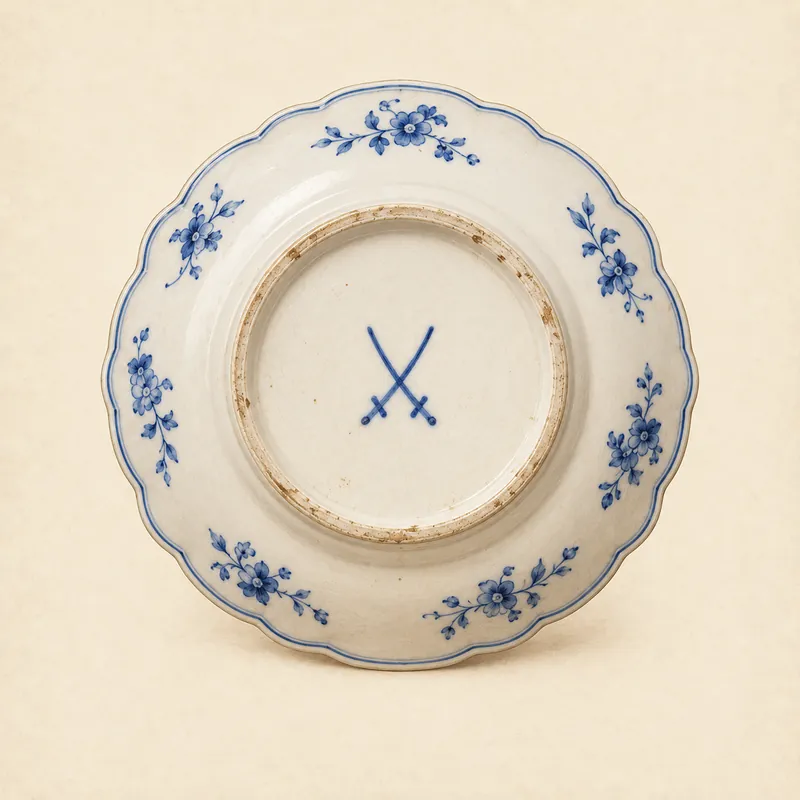
Pottery mark
Impressed mark matched to a pottery and period — Identified.
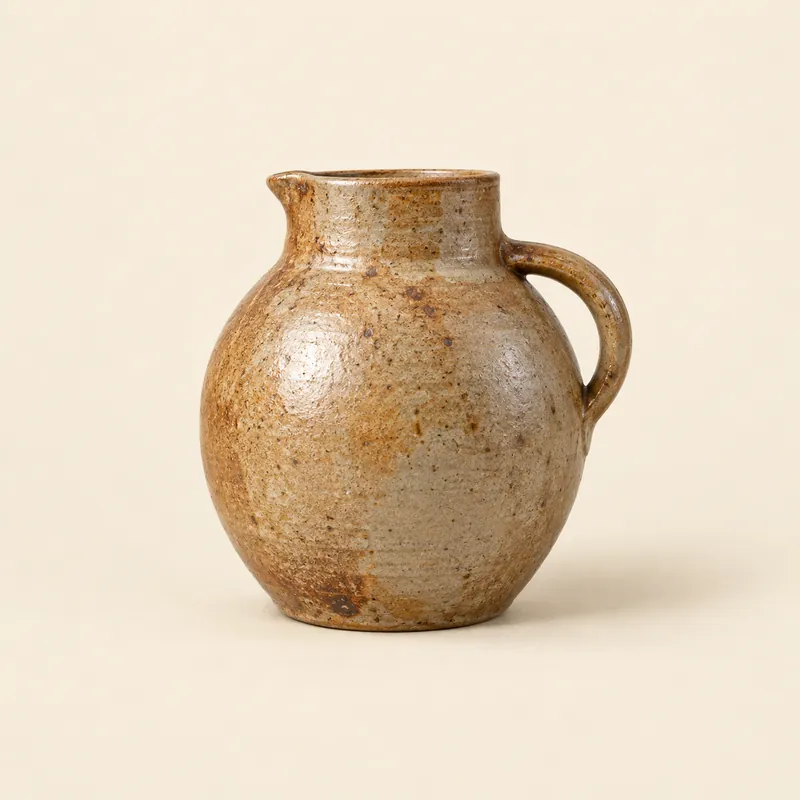
Stoneware jug
Salt-glazed body and cobalt decoration placed it in a regional tradition.
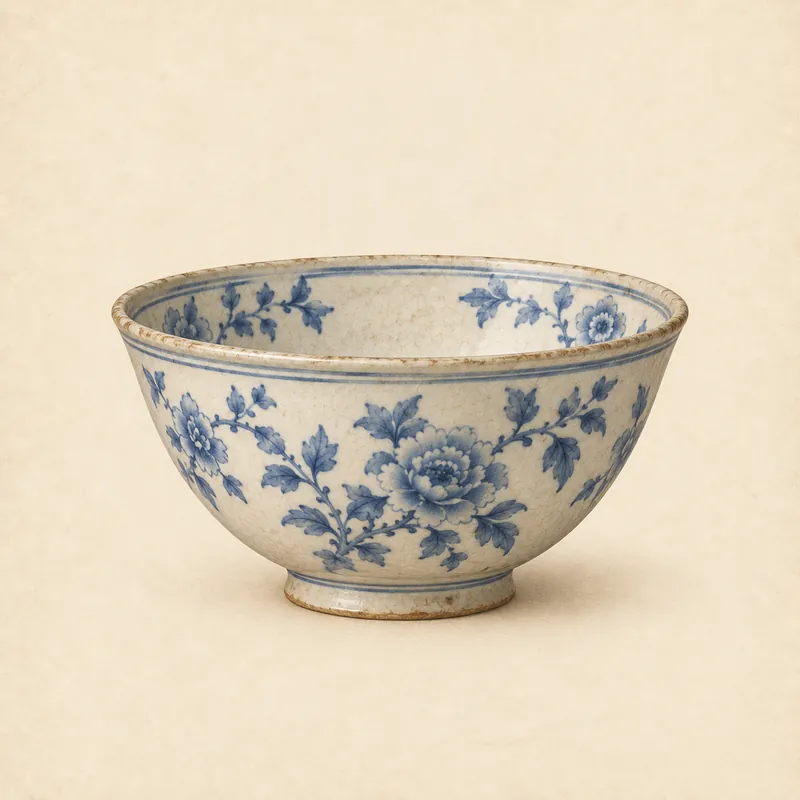
Pottery bowl
Foot-ring paste and glaze pooling dated the bowl within a decade.
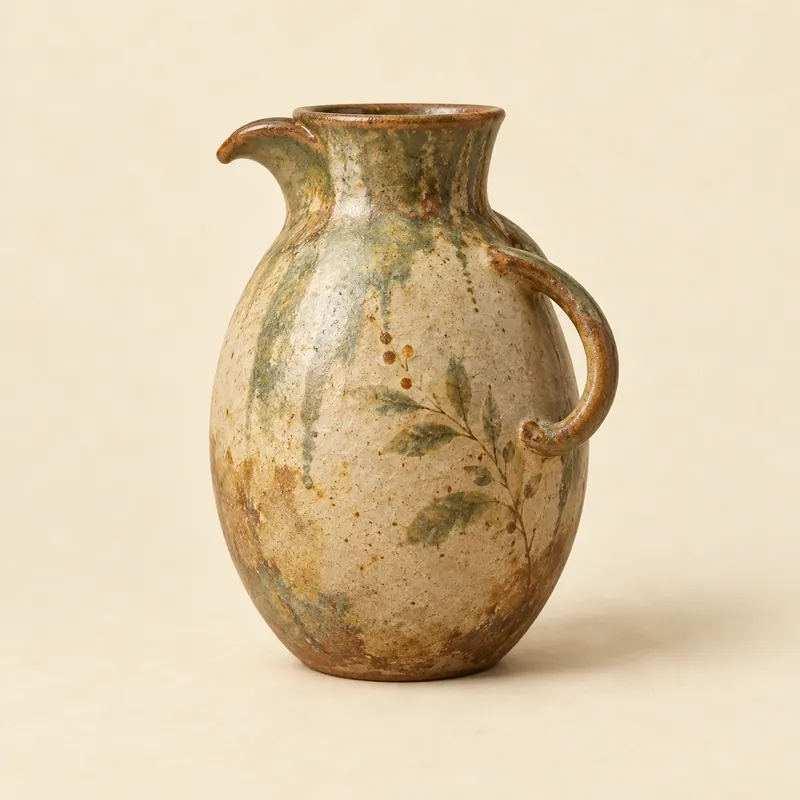
Art pottery pitcher
Studio cypher read; hand-thrown construction confirmed art pottery.
How to use this tool
Upload 1–5 photos
Photograph the whole item, the base, and any marks or signatures. Phone cameras are fine.
AI analyzes the details
The model examines form, materials, construction, marks and wear, then estimates age and origin.
Get your research report
A structured report with identification, confidence levels, evidence and value ranges — saved to your history.
What the antique pottery identifier examines
Marks & cyphers
Incised, stamped, painted and impressed marks are read first — the underside is where pottery introduces itself. Turn the piece over first — the underside answers before the decoration does.
Body & clay
Earthenware, stoneware and porcelain bodies are typed from visible paste at the foot rim and any chips. Body type decides which price universe the piece lives in before marks are read.
Glaze & decoration
Glaze character, treatment and painting style narrow the period and often the studio tradition. Glaze is often the studio's signature, literally and figuratively.
Condition honesty
Hairlines, chips and restoration are photographed, weighed and priced into the estimate. The antique pottery identifier prices flaws you show it, not flaws it guesses at.
When to use an antique pottery identifier
Unmarked stoneware
Date crocks and jugs from body, glaze and form when no mark survives.
Art pottery signatures
Read artist cyphers and studio marks from Rookwood-era pieces onward.
Estate boxes
Triage a houseful of ceramics into research, sell and donate piles.
Antique pottery FAQ
Identifying pottery and ceramics from photos.
Why photograph the bottom of pottery?
The base usually holds the maker's mark, shows the clay body color, reveals stilt or kiln marks from firing, and displays foot-ring wear consistent with age. It is the single most informative photo for an antique pottery identifier — if you take only one extra shot, make it the underside.
How do I tell pottery from porcelain?
Porcelain is translucent at thin edges and rings when tapped; pottery is opaque with a duller sound. If you can, photograph the piece against a light so translucency shows — the antique pottery identifier uses it as a key signal for body typing.
Do hairlines and chips matter much?
Yes — condition is a major value driver in ceramics. A hairline can cut value by half or more on rare pieces. Photograph any damage straight-on so the report can weigh it honestly rather than guess.
What is the difference between art pottery and production pottery?
Art pottery is studio or handmade work — often marked by the potter — valued as craft and artistry. Production pottery was factory-made and is valued on pattern rarity and condition. The antique pottery identifier tells you which world your piece belongs to before estimating.
Can an unmarked piece still be identified?
Yes, by body, glaze, form and construction — the attribution will simply carry a wider date range and a humbler confidence label. Many valuable stoneware and regional ware pieces were never marked; style evidence still narrows them usefully.
What does a scan cost?
Your first scan is free. After that, a Full Antique Report is $3.98 — one-time payment, no subscription.
How do I photograph a shiny glaze without glare?
Use one light source from the side and avoid shooting straight into it — tilt the piece until the glare slides off the decoration. Matte surfaces are forgiving; glossy art glazes need the angle. A window plus a slow quarter-turn usually finds it.
What is the difference between pottery and porcelain?
Pottery is opaque, porous clay fired lower; porcelain is a vitrified, often translucent body fired higher. If you can see light through a thin edge, it leans porcelain. The antique pottery identifier types the body from your photos either way.
What is stoneware, exactly?
A dense, vitrified clay body fired hotter than earthenware — non-porous even without glaze, usually grey or tan, classic in crocks and jugs. The antique pottery identifier types the body first because stoneware, earthenware and porcelain live in different value worlds.
Why is my pottery unmarked?
Most historical pottery was: regional stoneware potters and early factories marked sparingly. Unmarked pieces identify by body, glaze, form and decoration instead — a wider date range and humbler confidence, which is still useful because it is honest.
Are hairline cracks always visible?
Not to a casual glance — raking light across the body reveals them as fine bright lines. Slow-rotate the piece under one side lamp and photograph anything that appears; hidden damage is the main reason pottery estimates miss low.