Antique Watch Identifier
This antique watch identifier reads dial, case and movement photos to identify the brand, era and value — pocket watches included.
Upload photos of your item
Drag photos here, or use the buttons below. Up to 5 photos.
JPG / PNG / WEBP · Up to 5 photos · Your first scan is free
For a better identification, include
- · A full side profile of the item
- · The bottom or base of the item
- · Any maker's mark, hallmark or signature
- · A close-up of damage or restoration
Antique watch identifier examples
Watches dated by serials, design and originality.
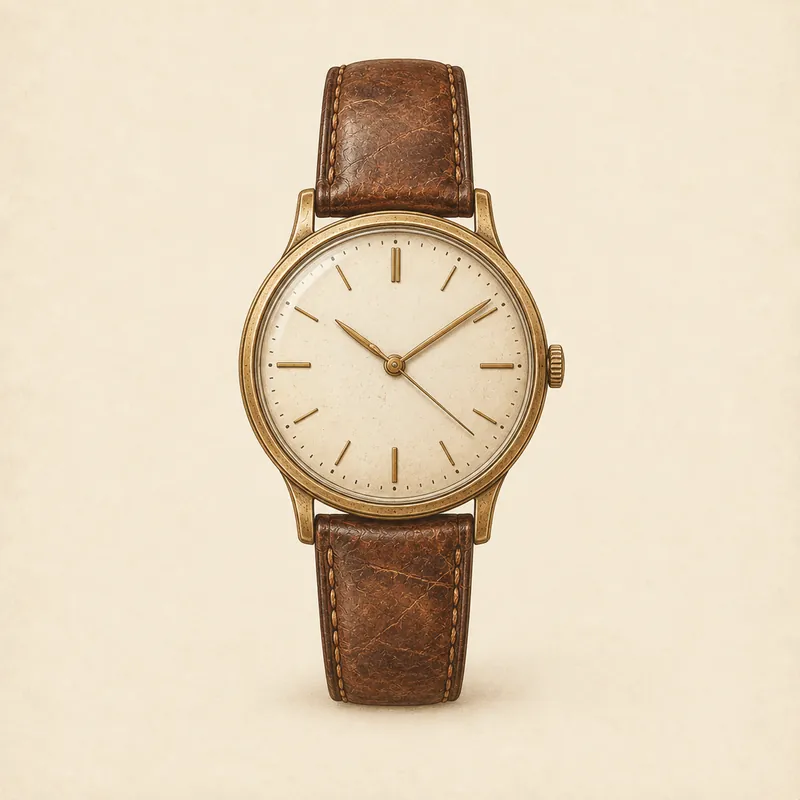
Vintage watch
Serial range placed the movement in its production window.
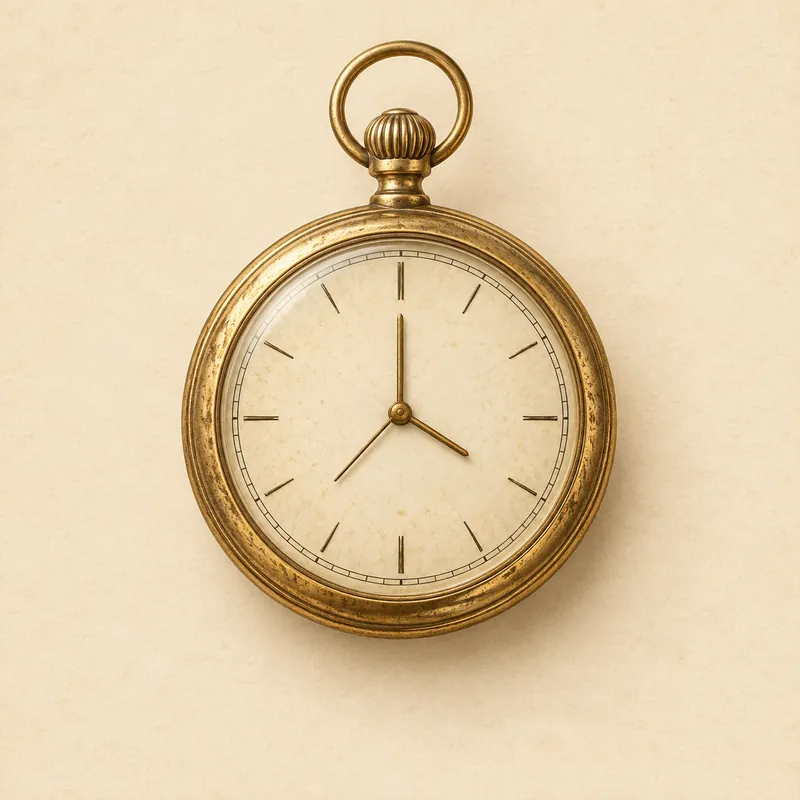
Pocket watch
Movement plate and case hallmarks dated a railroad-era piece.
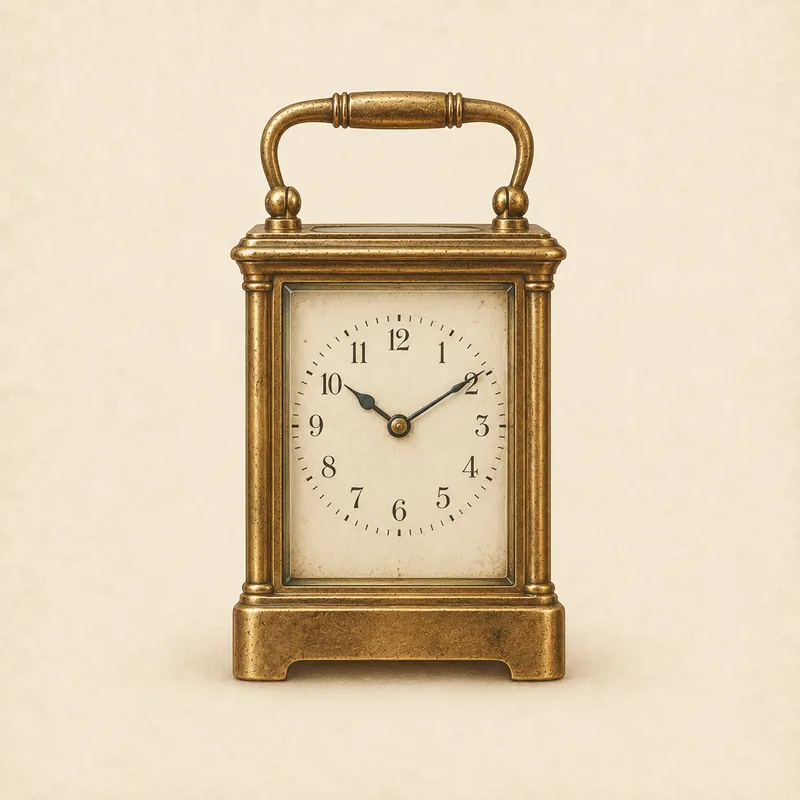
Carriage clock
Case form and dial layout consistent with a French workshop.
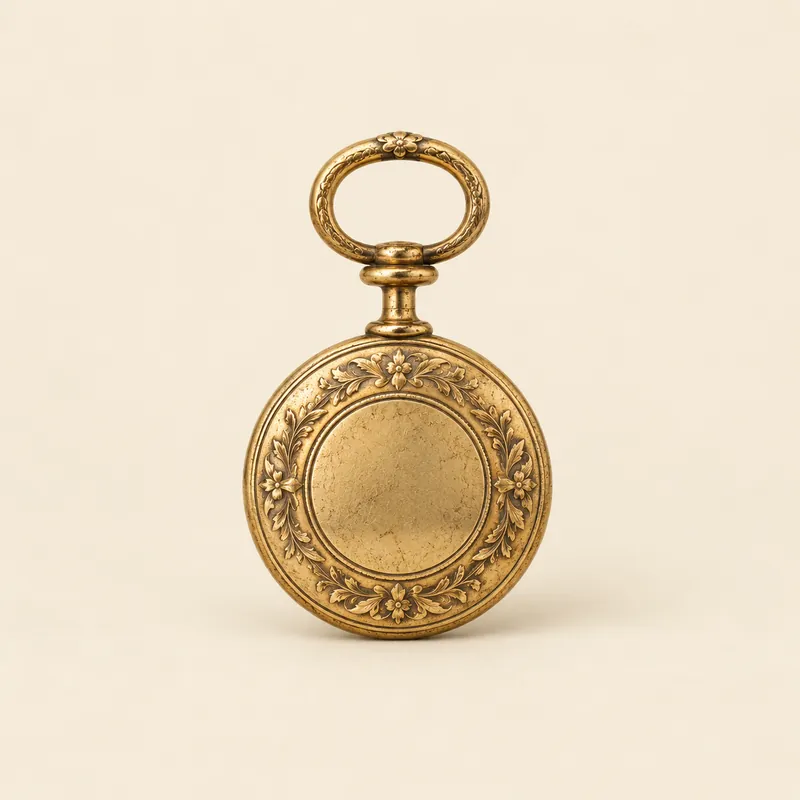
Watch fob
Seal and chain style placed within the watch-chain era.
How to use this tool
Upload 1–5 photos
Photograph the whole item, the base, and any marks or signatures. Phone cameras are fine.
AI analyzes the details
The model examines form, materials, construction, marks and wear, then estimates age and origin.
Get your research report
A structured report with identification, confidence levels, evidence and value ranges — saved to your history.
What the antique watch identifier reads
Three-witness triangulation
Dial, case and movement are cross-checked — the movement is the honest witness that settles era and originality. When all three witnesses agree, era and originality usually settle together.
Serial dating
Movement and case serials place the piece within its production window instead of guessing a decade. A serial within the recorded window replaces a decade of guessing with a year.
Redial detection
Over-crisp printing, wrong-era fonts and mismatched lume are flagged before they can mislead a purchase. Redial flags are the difference between a collector price and a disappointment.
Design cues
Lug shapes, hand styles and case proportions date pieces even when the dial has been refinished. Design survives refinishing, which is why it anchors the dating.
When to use an antique watch identifier
Inherited watches
Identify the drawer of unmarked timepieces before dividing or selling.
Pocket watches
Read movement plates and case hallmarks from clear photos.
Purchase vetting
Screen a listing's photos for era and redial signals before bidding.
Vintage watch FAQ
Identifying old watches from photos.
What photos should I take of a watch?
Dial straight-on in even light; case back outside and inside if it opens safely; the movement only if a watchmaker opens it. Add a profile shot of lugs and crown. That set gives the antique watch identifier nearly everything it needs.
Does a redial destroy value?
Usually it reduces collector value significantly — originality is prized. Signs include overly crisp printing, wrong fonts for the era and mismatched lume aging. The antique watch identifier flags redial suspects under uncertainties rather than passing them silently.
Can you identify pocket watches too?
Yes — railroad-grade American pocket watches, Swiss hunter cases and English fusee watches identify well from movement and case photos, where serial numbers and hallmarks are usually visible. Open the case only at the front and back hinges it was built for.
Why does the movement matter so much?
Because it is the hardest part to fake convincingly. Movement finish, caliber architecture and serial ranges anchor both era and originality judgments when dial and case have been altered — it is the antique watch identifier's most trusted witness. A stopped watch is still fully identifiable — the movement photographs just as well at rest, and forcing it to run is the one mistake that cannot be undone.
Can you value a watch without opening it?
You get a wider range. Dial, case and profile photos support brand and era attribution; movement confirmation tightens both and usually narrows the value bracket considerably. The report tells you what opening it would settle.
What does a scan cost?
Your first scan is free. After that, a Full Antique Report is $3.98 — one-time payment, no subscription.
Can you identify a watch from a dial photo only?
Partly — brand and often the era, but not originality or the movement's story. A case-back photo strengthens it, and a movement photo usually settles it. The report will tell you which of the three photos is holding the answer back.
Should I wind an old watch?
Gently, no more than until light resistance, and never force a stopped mechanism you don't know. Old oils can gum solid; forcing them strips gears worth more than the watch. Identification first — a running problem is a watchmaker's conversation afterward.
What does '17 jewels' mean?
Jeweled bearings in the movement — more jewels generally meant a higher grade, with 17 a common quality benchmark for vintage wristwatches. It is one of several grade signals the antique watch identifier reads off visible movement plates.
What is a railroad watch?
A pocket watch built to strict railroad standards — lever-set, well-jeweled, adjusted to positions — because timetables once depended on them. Railroad-grade American watches are a strong collector category and identify well from dial and movement photos.
Are gold-filled cases valuable?
Modestly — a bonded gold layer over brass, often marked 'Guaranteed 20 Years'. The movement and condition usually carry the value in gold-filled watches, and the antique watch identifier weighs that split when bracketing the range. Case metal matters mostly at resale; condition and movement carry the collector value.