Antique Porcelain Identifier
This antique porcelain identifier reads marks, paste and decoration to attribute figurines, plates and vases — and estimate what they're worth.
Upload photos of your item
Drag photos here, or use the buttons below. Up to 5 photos.
JPG / PNG / WEBP · Up to 5 photos · Your first scan is free
For a better identification, include
- · A full side profile of the item
- · The bottom or base of the item
- · Any maker's mark, hallmark or signature
- · A close-up of damage or restoration
Antique porcelain identifier examples
Porcelain attributed from marks, paste and decoration.
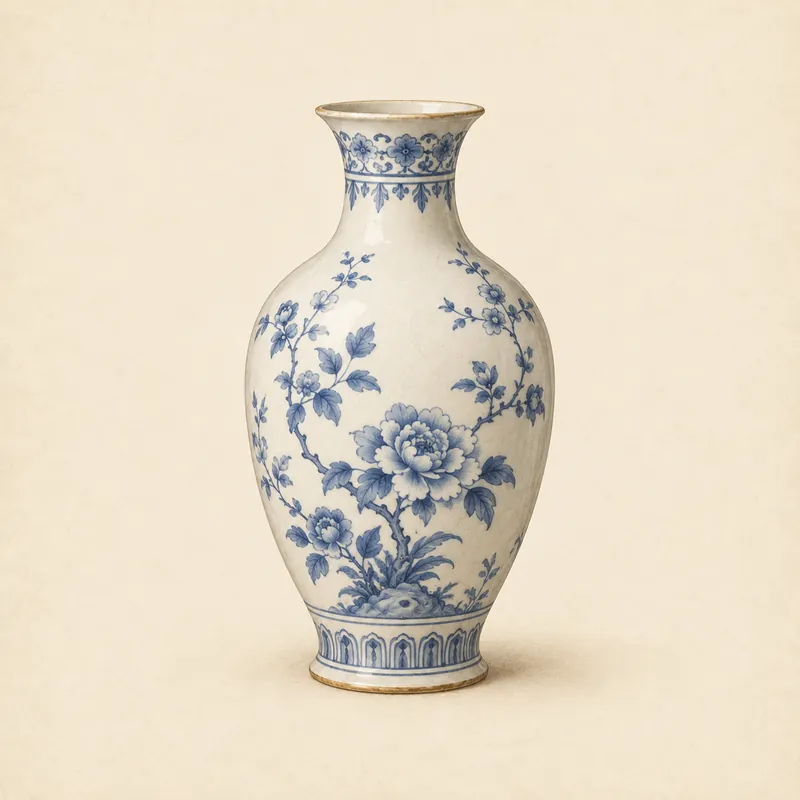
Porcelain vase
Base mark, paste and painting agreed — attribution climbed to Likely.
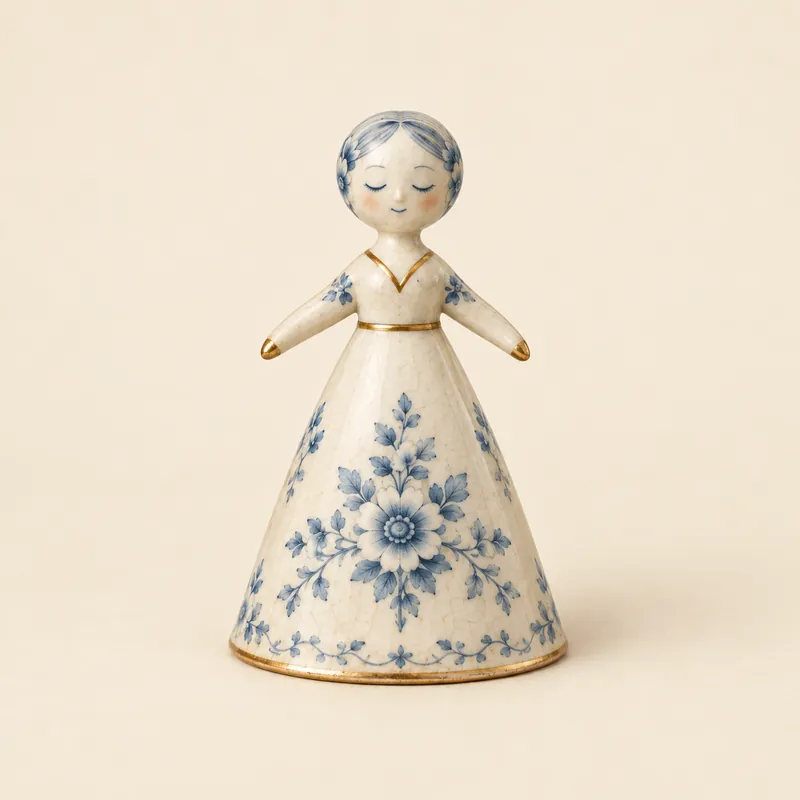
Porcelain figurine
Modeling style and enamel palette compared with factory practice.
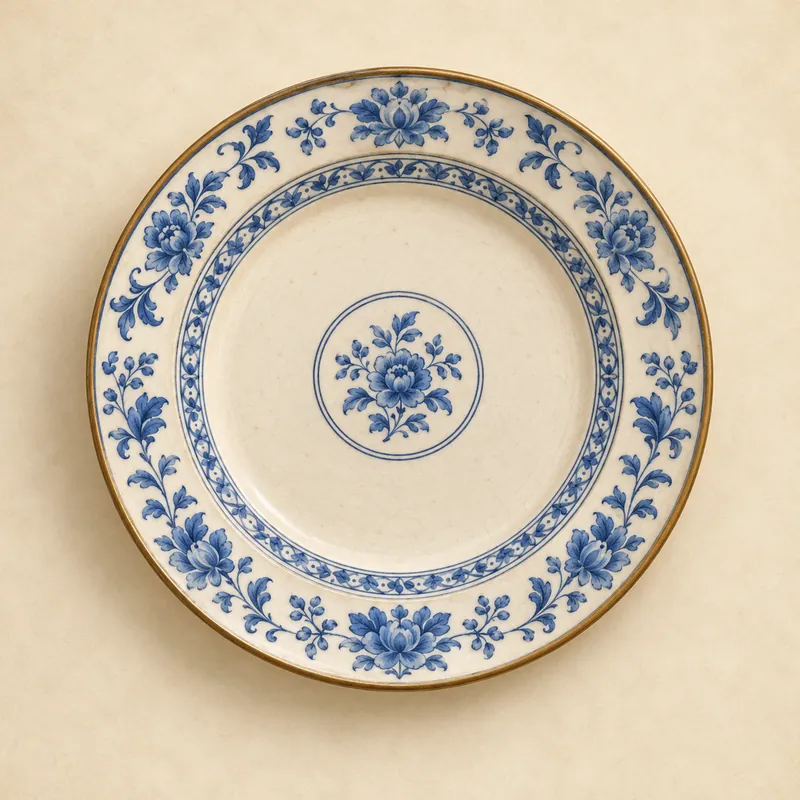
Cabinet plate
Mark style consistent with rim and gilding — period confirmed.
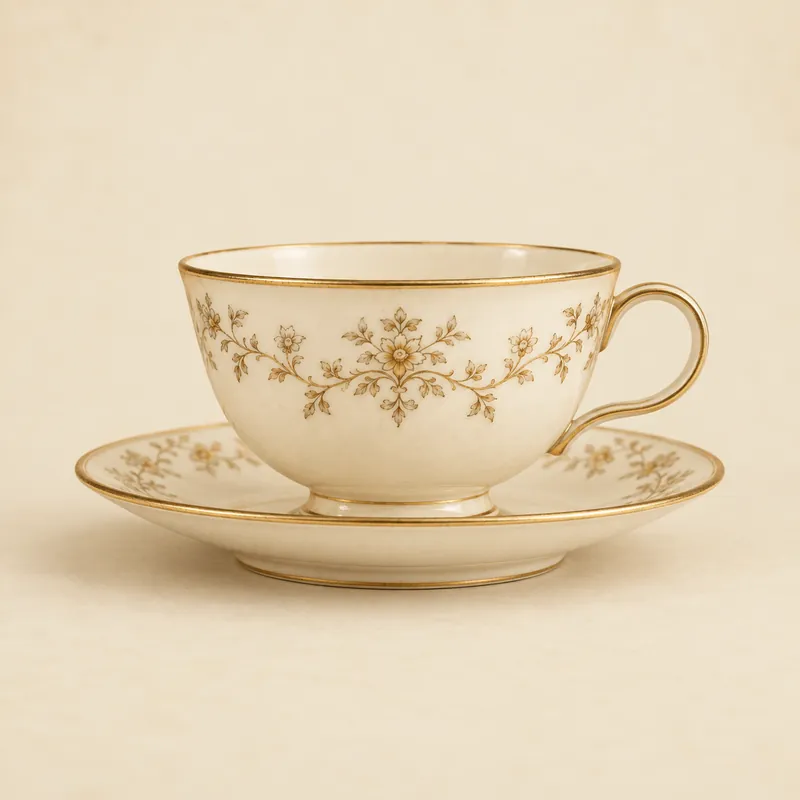
Teacup and saucer
Pattern and maker's mark read together for a confident pairing.
How to use this tool
Upload 1–5 photos
Photograph the whole item, the base, and any marks or signatures. Phone cameras are fine.
AI analyzes the details
The model examines form, materials, construction, marks and wear, then estimates age and origin.
Get your research report
A structured report with identification, confidence levels, evidence and value ranges — saved to your history.
What the antique porcelain identifier examines
Mark consistency
The mark is read against the piece — style, placement and paste must agree before an attribution is allowed to climb. Agreement across signals is the only attribution worth paying for in this category.
Paste & glaze
Hard-paste versus soft-paste judgment from unglazed rims and glaze pooling narrows geography and era. Paste narrows the map faster than almost any other porcelain evidence.
Decoration & modeling
Enamel palettes, painting rhythm and figurine modeling are compared against documented period practice. Period-correct decoration is where most imitations quietly fail.
Imitation flags
Copied and spurious marks are called out under uncertainties rather than averaged into a polite answer. Flagged doubts protect you at exactly the moments the money is largest.
When to use an antique porcelain identifier
Inherited figurines
Check whether the crossed swords are Meissen or homage before you price them.
Cabinet plates
Attribute factory-decorated plates from marks and enamels.
Purchase vetting
Screen a fair or online listing's photos before money moves.
Antique porcelain FAQ
Identifying porcelain marks and judging authenticity.
Why are porcelain marks so often misleading?
Because famous marks were copied for over a century — fraudulently and legitimately. Style of the mark, paste, painting and modeling must agree with each other. The antique porcelain identifier checks exactly that consistency rather than reading the mark in isolation.
What is the best photo of a porcelain mark?
Straight-on, filling the frame, in raking light so the depth of impressed marks shows. Include the foot rim and any glaze pooling. If the mark is partly worn, photograph what remains — partial marks still narrow the factory list usefully.
How do I tell hard-paste from soft-paste porcelain?
Hard-paste feels glassy and rings when tapped; soft-paste has a softer glaze, warmer tone and granular chip edges. Photos of unglazed areas — foot rims and rim chips — help the antique porcelain identifier judge the paste type from color and texture.
Are porcelain figurines valuable?
Anywhere from a few dollars for modern decorative pieces to five figures for rare early Meissen. Age, maker, modeling rarity and condition all matter — which is why the report identifies first and estimates value second, with the confidence label attached.
Can damage be priced in?
Yes — photograph chips, hairlines and restoration straight-on and the estimate will weigh them. On rare porcelain, even a good professional repair can halve value, so honest damage photos are essential for a usable range. The antique porcelain identifier compares both under magnification-quality photos. The antique porcelain identifier reads that split from your photos before any price is quoted.
What does a scan cost?
Your first scan is free. After that, a Full Antique Report is $3.98 — one-time payment, no subscription.
Can you tell hand-painted from transfer decoration?
Usually, from close photos. Hand-painting shows brush rhythm, slight irregularity and enameled raised detail; transfer prints show even dot patterns and crisp repeated edges. The distinction matters — hand-decorated pieces generally command a different league of value.
How should I store identified porcelain?
Separate pieces with felt or bubble sleeves, never stack cups by their handles, and keep display shelves away from door swings and radiator heat. The care advice in your report is tuned to the body type the identification found.
What is hard-paste porcelain?
True porcelain: a kaolin-based body fired to vitrification — glassy, white, translucent at thin edges, ringing when tapped. Soft-paste is the earlier European substitute, warmer and softer. The antique porcelain identifier judges paste from unglazed areas in your photos.
Are all pieces with the crossed-swords mark real Meissen?
No — the mark was copied for over a century, sometimes legitimately by related factories. What matters is whether mark style, paste, modeling and painting agree with documented Meissen practice. That consistency check is the core of porcelain attribution.
What is the difference between factory and studio decoration?
Factory pieces were decorated in-house to consistent standards; studio or outside-decorated pieces carry artist signatures and hand variation. The distinction moves value significantly for some makers, and the report notes which world a piece belongs to. Knowing which world a piece belongs to is half of pricing it correctly.