Antique Value Checker
What is it worth? This antique value checker estimates quick sale, market and dealer prices from photos of your item.
Upload photos of your item
Drag photos here, or use the buttons below. Up to 5 photos.
JPG / PNG / WEBP · Up to 5 photos · Your first scan is free
For a better identification, include
- · A full side profile of the item
- · The bottom or base of the item
- · Any maker's mark, hallmark or signature
- · A close-up of damage or restoration
Antique value checker examples
Sample estimates across the three sale channels.
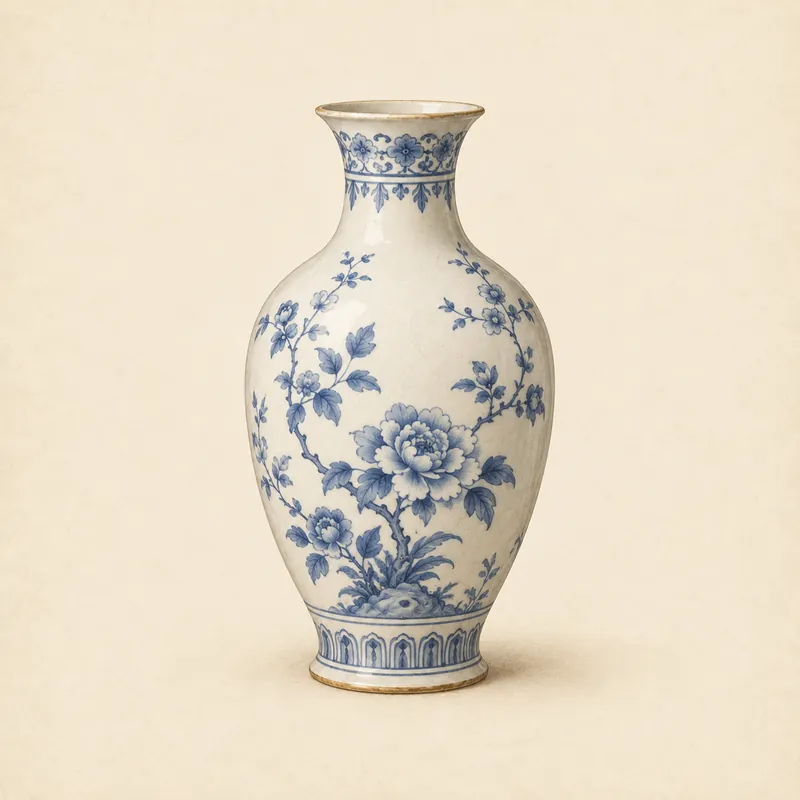
Porcelain vase
Market range $120–200; dealer retail up to $320, basis shown in the report.
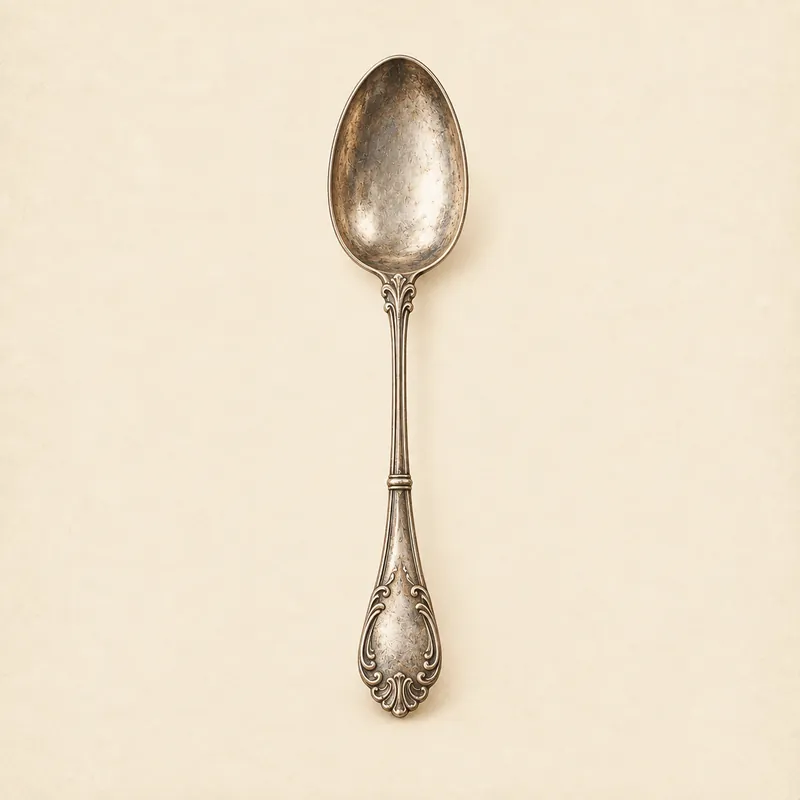
Silver spoon
Sterling pattern valued from hallmarks — quick sale and market ranges bracketed.
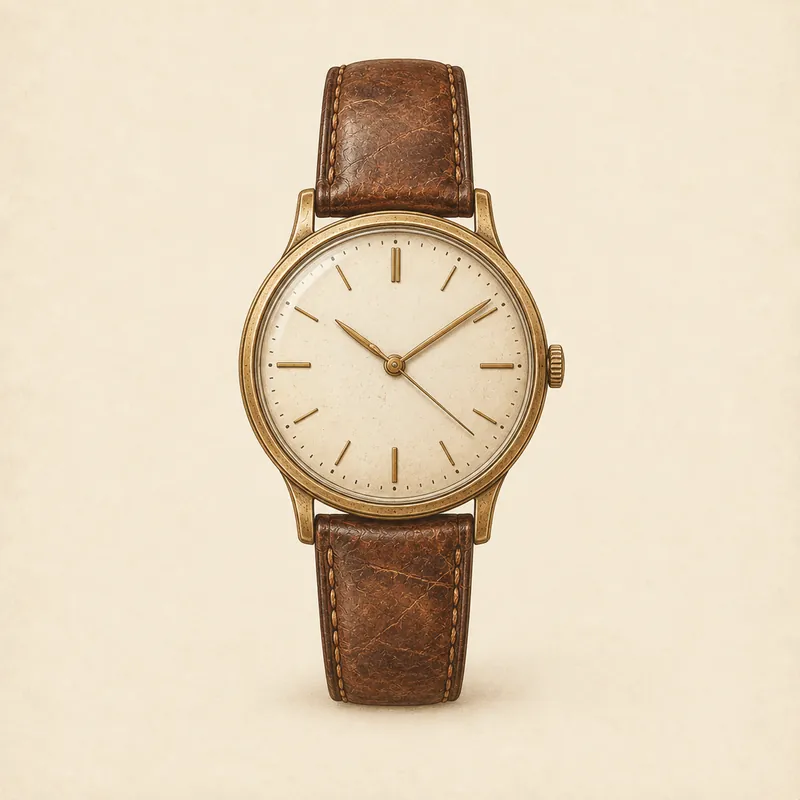
Vintage watch
Era and originality weighed before pricing; redial suspicion widened the range.
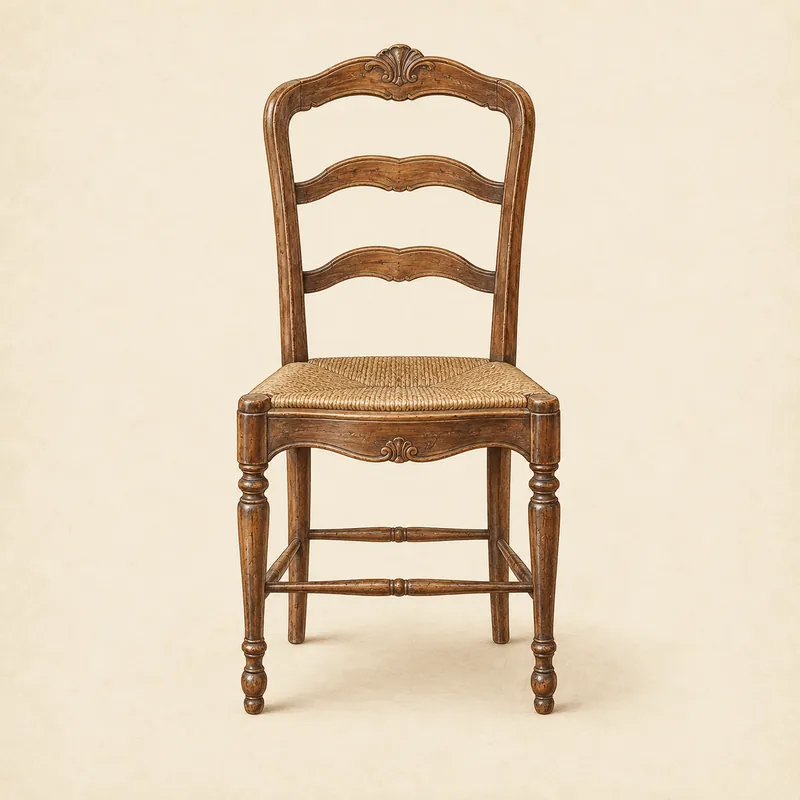
Antique chair
Condition issues priced in — honest wear notes kept the estimate usable.
How to use this tool
Upload 1–5 photos
Photograph the whole item, the base, and any marks or signatures. Phone cameras are fine.
AI analyzes the details
The model examines form, materials, construction, marks and wear, then estimates age and origin.
Get your research report
A structured report with identification, confidence levels, evidence and value ranges — saved to your history.
How the antique value checker prices your item
Identification first
Maker, period, materials and condition are established before any number appears — value follows identity, not the other way around. A misidentified piece is a mispriced piece, so identity is settled before any bracket opens.
Three sale channels
Quick sale, market and dealer-retail ranges reflect how antiques actually price, depending on how fast you need to sell. The antique value checker shows all three because selling speed is a choice you make, not a fact about the item.
Condition weighing
Chips, hairlines, restorations and replaced parts are read from your photos and priced into the range honestly. Damage read honestly is the difference between a usable range and a fantasy.
Appraisal guidance
When an estimate may exceed $1,000, the report says so and recommends a certified appraiser for insurance, estate or tax use. Estimates that trigger that recommendation are the ones worth documenting properly.
When to use an antique value checker
Before selling
Set a floor and a target before the first offer arrives.
Estate planning
Bracket values across many pieces before dividing an estate fairly.
Purchase decisions
Know roughly what a shop or fair find is worth before you pay.
Antique value checker FAQ
How AI value estimates work and how to read them.
How accurate is the antique value checker?
It produces research estimates — directional ranges, not appraisals. It is most useful for telling a $30 item from a $300 one, and for deciding whether professional advice is worth paying for. Expect a wide range when photos hide the base, the marks or the damage.
Why does the same item get different ranges?
Because each scan reads only the photos you provide, and identification confidence drives the width of the range. Add the base, a mark close-up and honest damage shots, and the antique value checker tightens the bracket because more evidence agrees. Variance between runs is information, not error — it is the estimate telling you which photo would settle the question.
What lowers an antique's value the most?
Condition issues, restorations, missing parts and damage — which is why a close-up photo of any flaw usually sharpens the estimate. For some categories, like rare porcelain, even a good repair can halve the value. The report weighs whatever it can see.
Is this a certified appraisal?
No — it is a research estimate, and the report says so on every page. Insurance, estate, tax and legal uses require a credentialed appraiser who examines the item in person. The antique value checker tells you when that step is recommended.
What photos produce the best estimate?
A full profile, the underside, any mark or hallmark, and straight-on shots of damage. Daylight beats flash. The same rules that sharpen identification sharpen valuation, because the antique value checker prices the identification, not the picture.
What does a scan cost?
Your first scan is free. After that, a Full Antique Report is $3.98 — one-time payment, no subscription.
How current are the value ranges?
Estimates reflect the reference knowledge behind the model rather than a live feed of today's auction results. Treat them as directional research: strong for telling a $50 item from a $500 one, weaker for pinning a number to the dollar.
Can I check an item before buying it?
Yes — that is one of the best uses. Photograph the piece in the shop or use the seller's listing photos, scan, and read the range before negotiating. The identification also catches reproduction signals sellers rarely mention.
Which sale channel should I aim for?
Match the channel to your timeline, not your hopes: quick sale if you need cash this month, marketplace if you can wait and photograph well, dealer consignment for pieces that benefit from curation. The antique value checker brackets all three so you can choose.
Do you track live auction results?
No — estimates come from the model's reference knowledge, not a live results feed, so treat them as directional rather than market-tick accurate. For a single high-value item, confirm the range against recent recorded sales for that maker before setting a price.
Does a certificate of authenticity add value?
Only if it is credible — from the maker, a recognized authority, or traceable provenance. Generic certificates that ship with reproductions add nothing. The antique value checker weighs documentation only when it can be verified.