Antique Silver Identifier
This antique silver identifier reads hallmarks from your photos — standard, maker, city and date — then estimates what the piece is worth.
Upload photos of your item
Drag photos here, or use the buttons below. Up to 5 photos.
JPG / PNG / WEBP · Up to 5 photos · Your first scan is free
For a better identification, include
- · A full side profile of the item
- · The bottom or base of the item
- · Any maker's mark, hallmark or signature
- · A close-up of damage or restoration
Antique silver identifier examples
Hallmark sets read and translated.
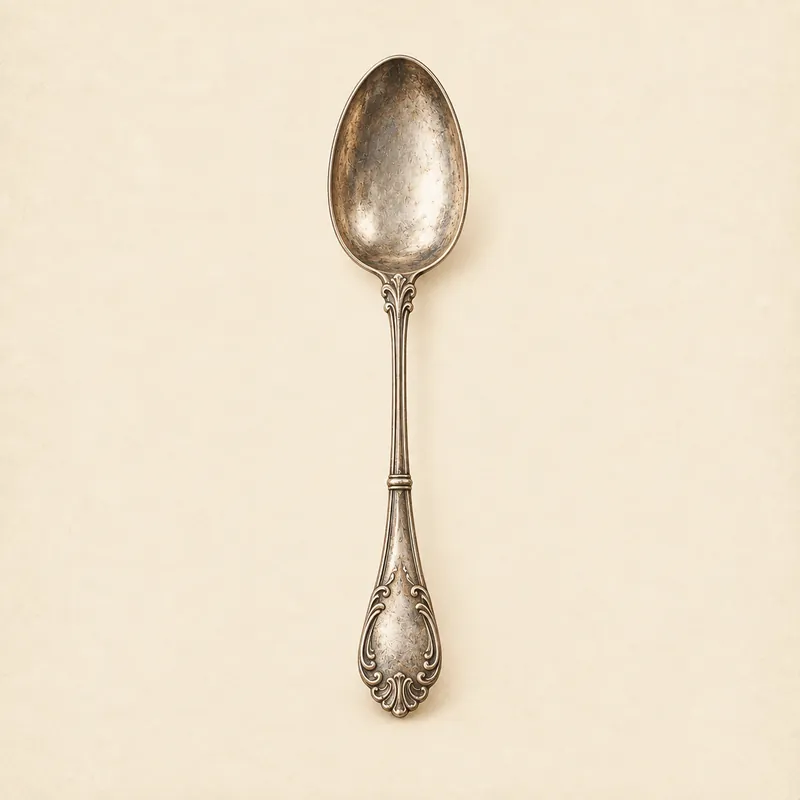
Silver spoon
Sterling standard, maker and date letter read from the stem marks.
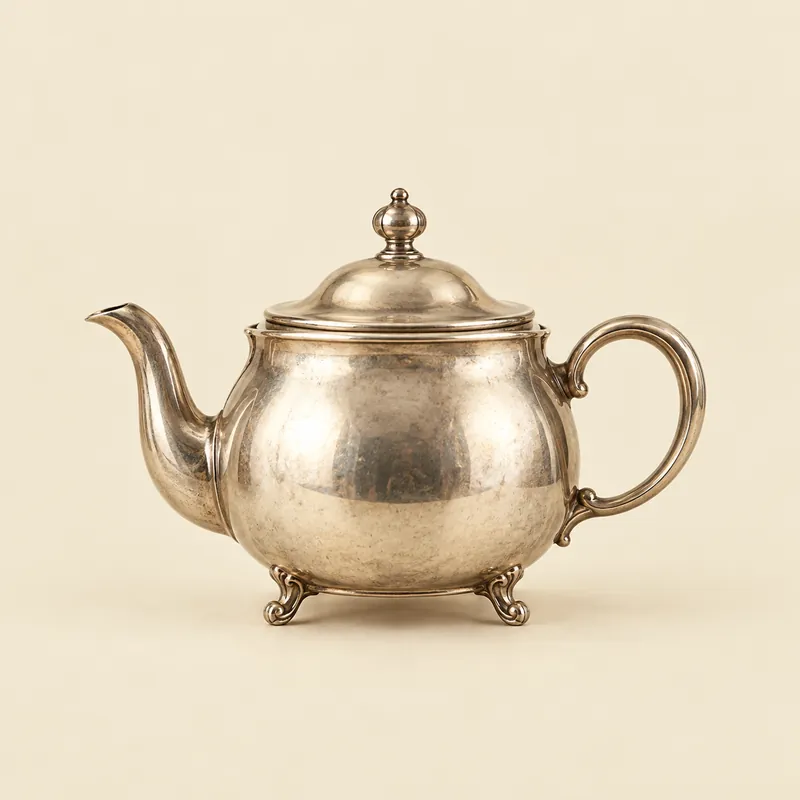
Silver teapot
Full assay set dated the service to a specific year.
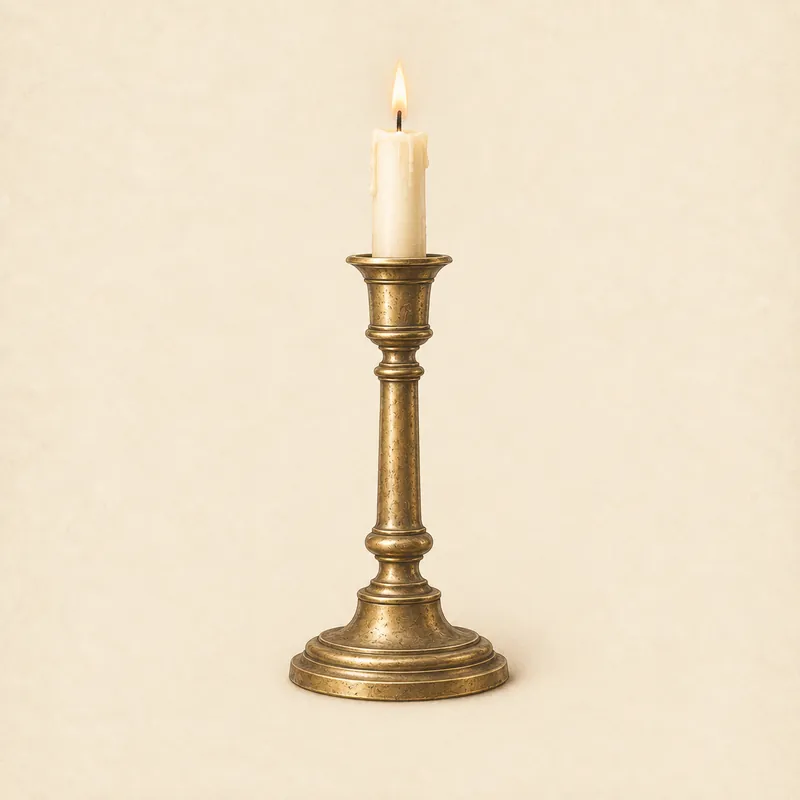
Candlestick
Weighted base flagged — construction explained before pricing.
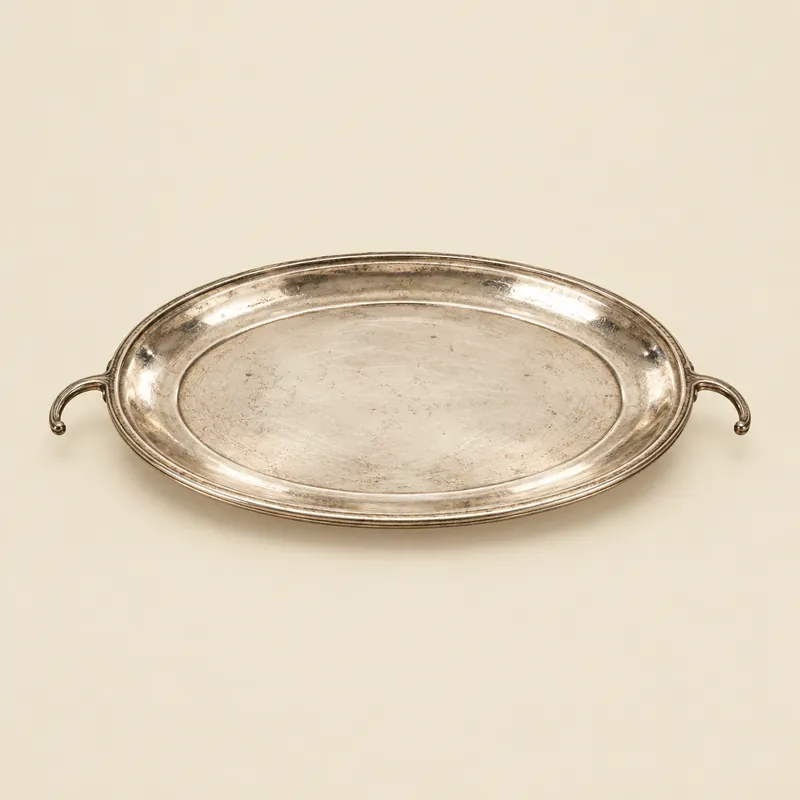
Silver tray
Monogram and maker's marks weighed into the value range.
How to use this tool
Upload 1–5 photos
Photograph the whole item, the base, and any marks or signatures. Phone cameras are fine.
AI analyzes the details
The model examines form, materials, construction, marks and wear, then estimates age and origin.
Get your research report
A structured report with identification, confidence levels, evidence and value ranges — saved to your history.
What the antique silver identifier reads
Full hallmark set
Standard, maker, assay city and date letter — four punches that state what the silver is, who made it and when. Those four punches are a legal document in miniature, and photographs read them fine.
Sterling vs. plate
The standard mark separates solid silver from plate before any valuation begins — the biggest single value switch. The antique silver identifier states solid versus plate before quoting a single number.
Consistency checks
Date letters, shield shapes and town marks are verified against recorded assay practice; mismatches are flagged. A mismatch caught early is a purchase saved.
Condition & engraving
Dents, repairs, polish wear and monograms are weighed — removal scars depress value, original armorials can raise it. Engraving is read both ways — as a cost and as provenance.
When to use an antique silver identifier
Inherited flatware
Sort sterling from plate across a full chest before you sell or keep.
Tea sets and trays
Read the hallmark set, date the service and bracket its value.
Flea market silver
Check marks from the aisle — the loupe you forgot is now a camera.
Antique silver FAQ
Reading hallmarks and telling silver from plate.
How do I tell sterling silver from silverplate?
Sterling carries a standard mark — "Sterling", "925", or the British lion passant — while plate often reads "EPNS", "A1", "Quadruple Plate" or a maker name only. The antique silver identifier reads whatever marks are present and states the standard plainly in the report.
Which photo shows hallmarks best?
Extreme close-up, straight-on, with light angled across the marks so worn punches cast slight shadows. On flatware the marks sit on the back of the stem; on hollowware, on the base. Add one full-item photo for form and style.
What is a date letter?
British assay offices stamp a letter each assay year, cycling through fonts and shield shapes. Reading the letter together with its shield gives the year — the antique silver identifier interprets the combination with the city mark, not in isolation.
Does silverplate have any value?
Usually decorative rather than precious — the silver content is a thin layer. Some desirable patterns and makers retain collector value, and the report estimates that separately rather than dismissing plate outright.
Do monograms hurt silver's value?
Personal monograms generally lower resale value; removing them lowers it more, because thinning and polishing scars remain. Original family armorials can add interest. Photograph engravings straight-on so the estimate can account for them.
What does a scan cost?
Your first scan is free. After that, a Full Antique Report is $3.98 — one-time payment, no subscription. The antique silver identifier reads both standards.
Should I polish my silver before scanning?
No. Tarnish does not block the marks under raking light, and aggressive polishing thins metal, softens engraving and erases the patina appraisers read as age. Photograph the piece as found; polish later, after the identification and valuation, if at all.
What does EPNS mean?
Electroplated Nickel Silver — a silverplate standard marking a base-metal body with a thin silver layer. It has decorative and pattern-collector value but no significant metal value. The report states the standard plainly in its first lines either way.
What is the lion passant?
The walking-lion mark certifying sterling standard at British assay offices since the 1500s. Seeing it means the metal was tested and stamped .925 — the single most useful punch the antique silver identifier reads on a piece.
What is coin silver?
An older American standard near .900 fine, made from melted coin and marked 'Coin' or 'Pure Coin', common before sterling adoption spread after the 1860s. It is genuine solid silver with its own collector market — not plate, and not quite sterling.
Why do hallmarks look different on old pieces?
Assay offices changed punch styles, shields and letter cycles over the centuries — which is exactly what makes date letters readable. The antique silver identifier matches a mark's style to its period before trusting what the letters seem to say. Period-matched marks are why silver identifies better from photos than almost any other category. A full report at 3.98 dollars is easier to justify than a wrong guess at any price.